
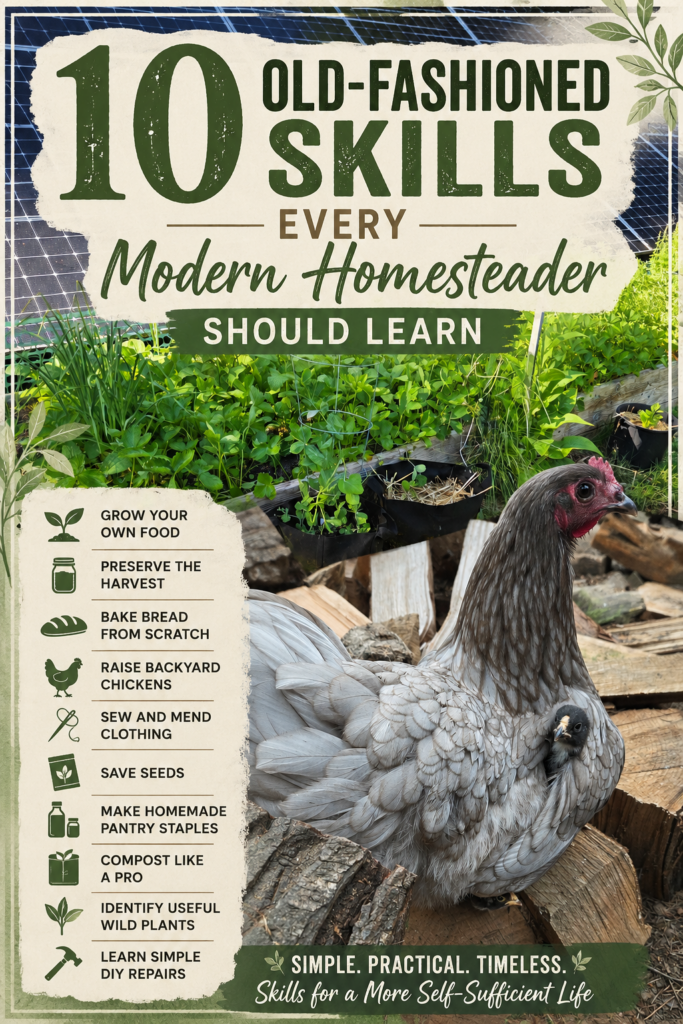
10 Old-Fashioned Skills Every Modern Homesteader Should Learn
In a world where convenience is just a click away, there’s something deeply satisfying about learning the skills our grandparents and great-grandparents relied on every day. Old-fashioned homesteading skills aren’t just nostalgic—they’re practical, sustainable, and incredibly rewarding. Whether you’re growing vegetables in a suburban backyard or managing a full-scale homestead, these timeless abilities can save money, build confidence, and help you become more self-sufficient.
Here are 10 old-fashioned skills every modern homesteader should learn to create a more resilient and rewarding lifestyle.
1. Grow Your Own Food
Nothing says “homesteading” quite like harvesting dinner from your own backyard. Learning how to grow vegetables, herbs, fruits, and berries gives you fresh, flavorful food while reducing grocery costs. If you’re just starting out, check out The Beginners Guide.
Start with easy crops like:
- Tomatoes
- Lettuce
- Kale
- Beans
- Zucchini
- Strawberries
- Green Onions
- Herbs like chives, oregano, mint, sage, basil, thyme, and parsley
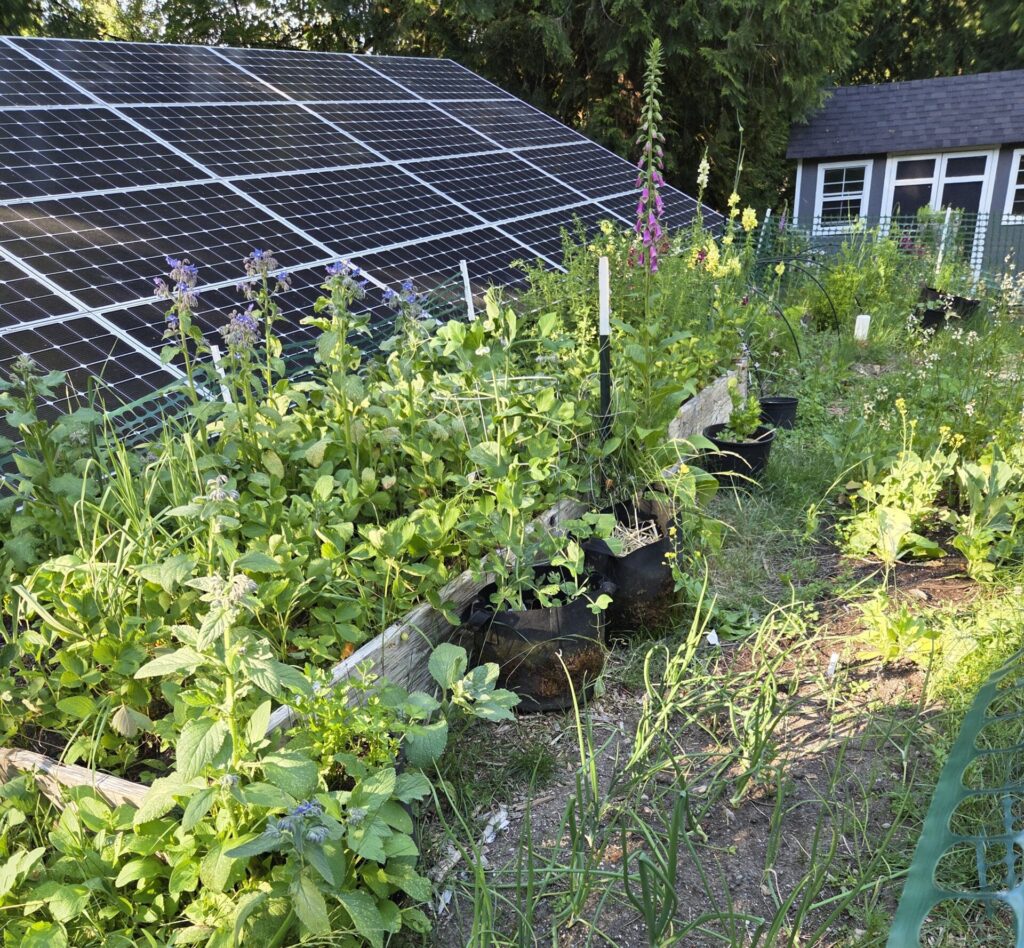
As your confidence grows, expand into year-round gardening, succession planting, and seed saving. I’m working on growing year-round this year, starting my fall garden right now.
Why it matters: A productive garden can feed your family, reduce waste, and reconnect you with the seasons.
2. Preserve the Harvest
When your garden suddenly produces more tomatoes or cucumbers than you know what to do with, food preservation becomes invaluable.
Popular preservation methods include:
- Water bath canning
- Pressure canning
- Freezing
- Dehydrating
- Fermenting
- Root cellaring
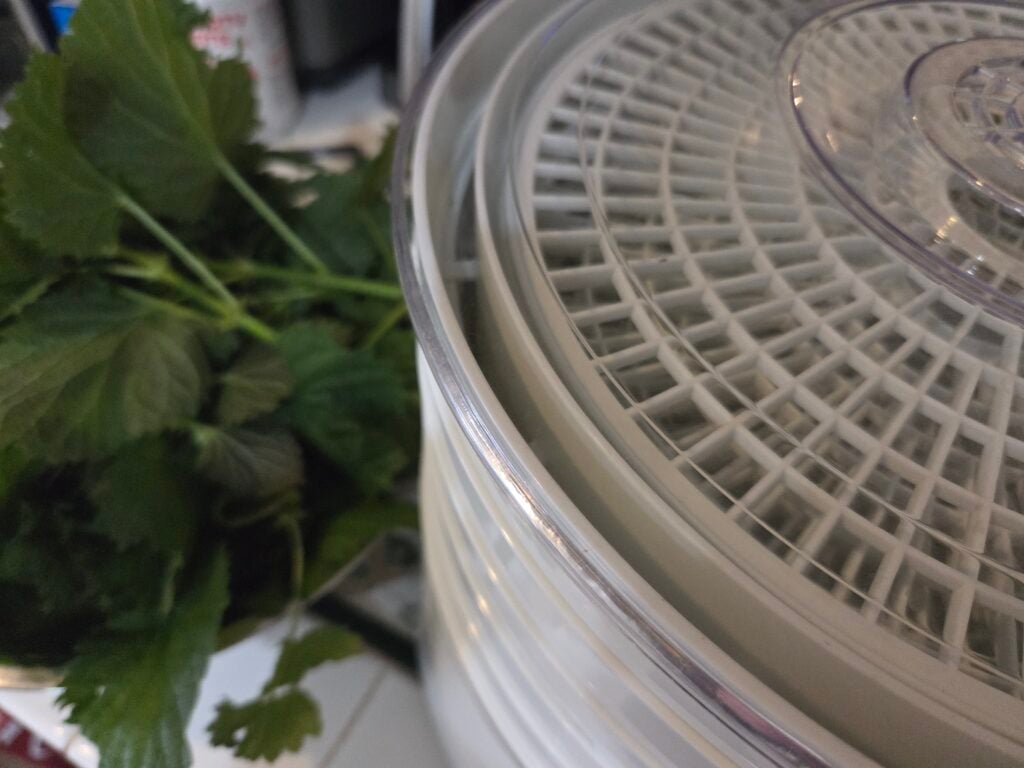
Homemade jams, pickles, applesauce, salsa, and canned vegetables can fill your pantry with delicious food all year long. This is a skill I’m working on learning, I’ve mastered the drying and freezing – this is my year to can and ferment.

3. Bake Bread from Scratch
Fresh homemade bread fills your kitchen with warmth and your home with comfort.
Learning to make bread teaches patience and gives you complete control over the ingredients. Once you master basic sandwich bread, try:
- Sourdough
- Dinner rolls
- Cinnamon rolls
- Artisan loaves
- English muffins
Many homesteaders even keep a sourdough starter alive for years. Tip: Store your starter in the fridge if you’re not using it daily.
I love baking bread from scratch, it’s a skill I’d like to think I’ve mastered.

4. Raise Backyard Chickens
Few homestead animals provide as much value as chickens.
Besides supplying fresh eggs, chickens help by:
- Eating insects
- Reducing kitchen scraps
- Producing compost-rich manure
- Scratching weeds – but will scratch up your whole garden if you let them!
- Providing endless entertainment
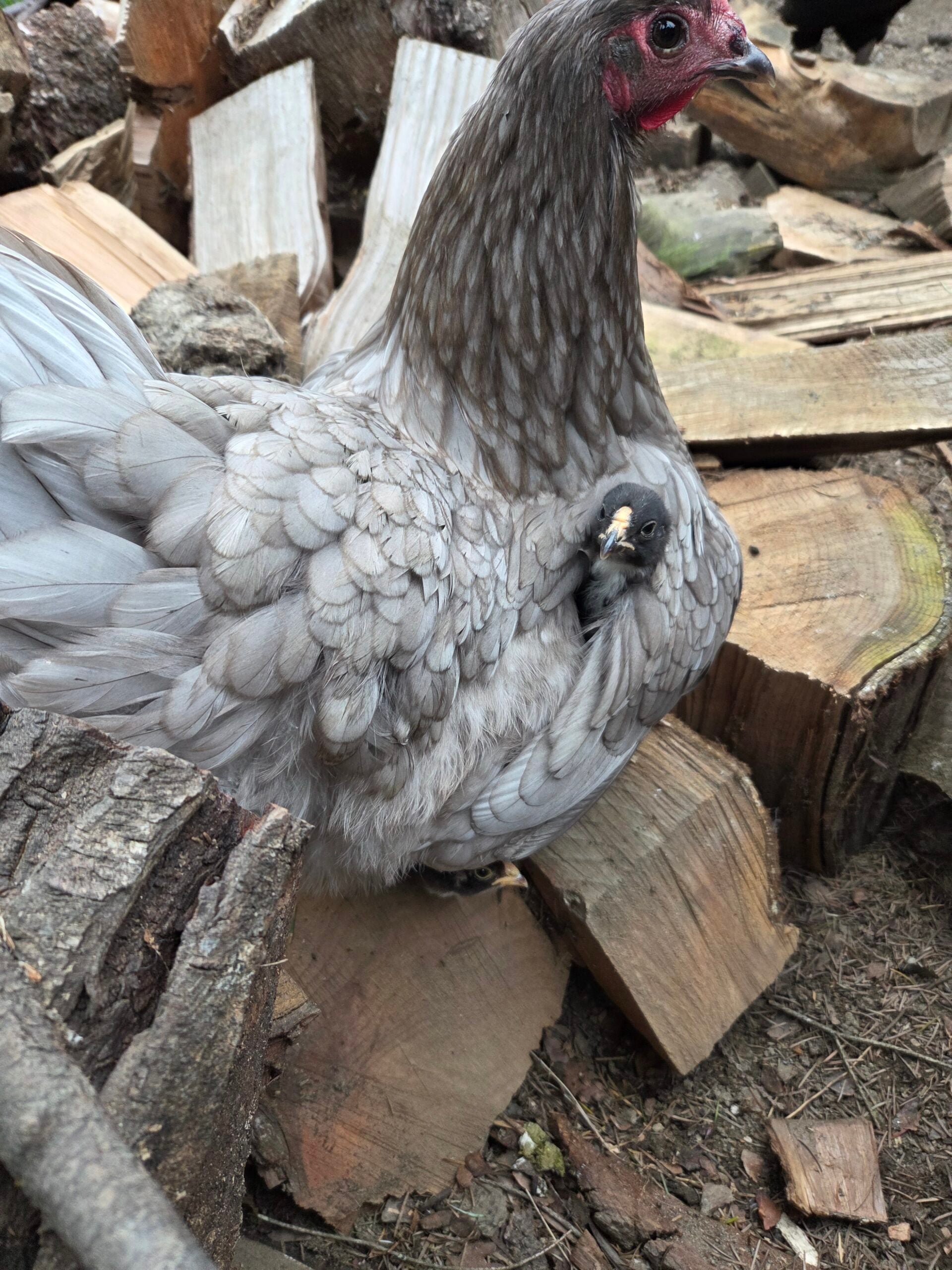
They’re often the perfect first livestock for beginner homesteaders. As you may know we’ve been raising chickens for the past four years and it’s been so rewarding, I can’t imagine our homestead without them. If you’re thinking of raising chickens, please read this first.

5. Learn Basic Sewing and Mending
Our grandparents rarely threw away clothing because of a missing button or torn seam.
Simple sewing skills can help you:
- Repair jeans
- Patch work clothes
- Hem pants
- Replace zippers
- Mend blankets
- Create reusable household items
Even basic hand sewing can save hundreds of dollars over time. Thankfully I learned how to do your basic sewing and mending when I was a kid, and I’ve taught both my children. Yes, when my daughter was only 7 years old she wanted to learn how to sew up a whole in her teddy bear. Maybe someday we’ll learn how to make our own clothing.
6. Save Seeds
One of the oldest gardening traditions is saving seeds from your healthiest plants for next year’s garden.
Benefits include:
- Saving money
- Preserving heirloom varieties
- Selecting plants adapted to your local climate
- Becoming less dependent on purchasing seeds annually
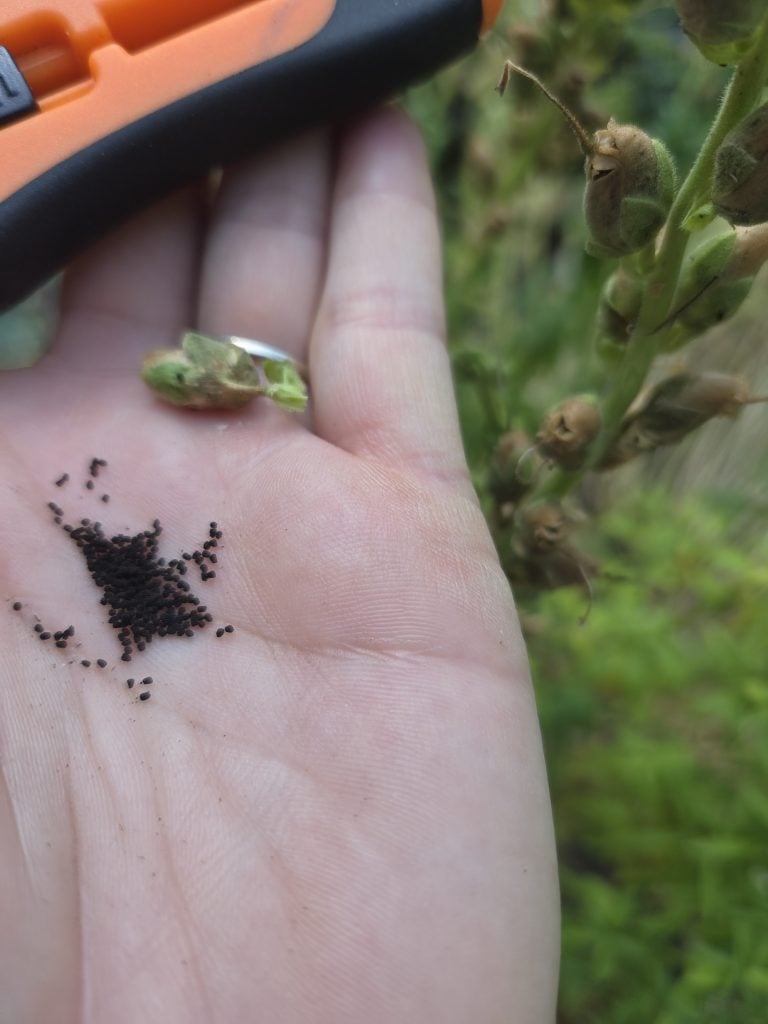
Tomatoes, beans, peas, lettuce, peppers, and many flowers are excellent beginner crops for seed saving. I’ve been doing this over the past couple years, it’s so easy and can save you money. I use these packages to store them in.

7. Make Homemade Pantry Staples
Learning to make everyday foods from scratch often means healthier ingredients and lower grocery bills.
Consider making:
- Yogurt
- Butter
- Bone broth
- Granola
- Salad dressings
- Tortillas
- Pasta
- Pancake mix
- Spice blends
You’ll be surprised how simple many pantry staples really are.

8. Compost Like a Pro
Healthy gardens begin with healthy soil.
Composting turns kitchen scraps, leaves, grass clippings, and yard waste into nutrient-rich organic matter that feeds your garden naturally.
Good compost improves:
- Soil structure
- Water retention
- Beneficial microbes
- Plant growth
- Vegetable yields
It’s one of the easiest ways to reduce waste while creating free fertilizer.
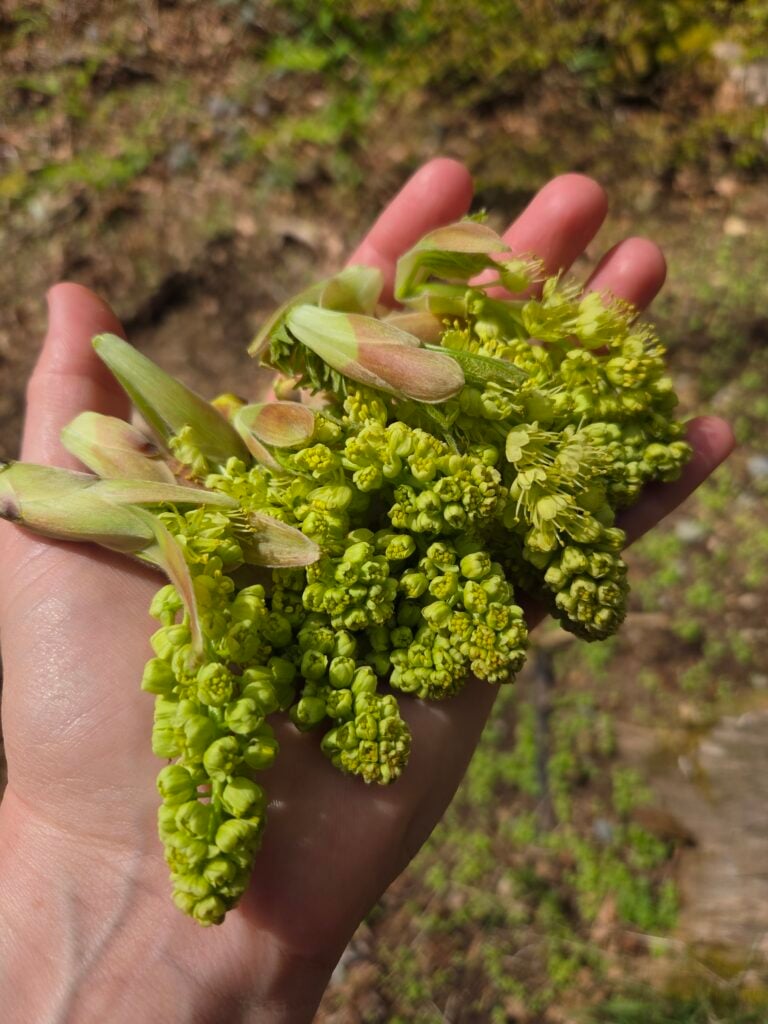
9. Identify Useful Wild Plants
Foraging was once an everyday necessity, and many edible plants still grow all around us.
Depending on your region, you may find:
- Blackberries
- Dandelions
- Nettles
- Elderberries
- Wild violets
- Chickweed
- Plantain
- Clover
Always learn from trusted field guides or experienced foragers before eating wild plants, as some species have toxic lookalikes. If your new around here, I love foraging!
10. Learn Simple DIY Repairs
Homesteaders often become natural problem-solvers.
Knowing how to perform basic repairs can save time and money when something breaks.
Useful skills include:
- Fixing fences
- Sharpening garden tools
- Building raised beds
- Repairing gates
- Maintaining wheelbarrows
- Replacing simple plumbing fixtures
- Basic woodworking
You don’t need to be an expert carpenter—just being willing to learn goes a long way.
Why These Skills Matter Today
Old-fashioned skills aren’t about living in the past—they’re about creating a more intentional future.
Every loaf of homemade bread, every basket of homegrown vegetables, and every repaired shirt is a reminder that self-sufficiency is built one small skill at a time.
You don’t have to master everything overnight. Pick one skill that excites you, practice it consistently, and let your confidence grow. Before long, you’ll find yourself relying less on convenience and more on your own knowledge and abilities.
The beauty of homesteading isn’t perfection—it’s progress.
Modern homesteading is a blend of traditional wisdom and today’s opportunities. Whether you’re tending a small backyard garden, caring for chickens, preserving food, or learning to mend clothing, each new skill brings you one step closer to a more sustainable lifestyle.
Remember, every experienced homesteader was once a beginner. Start where you are, use what you have, and enjoy the journey. The old ways still have plenty to teach us—and they might just become your favorite part of homestead life.


