The Beginner’s Guide to Growing a Garden (Without Losing Your Mind)
Have you ever dreamed of stepping outside and harvesting fresh vegetables, herbs, and flowers from your own backyard? Starting a garden can feel overwhelming at first, but the truth is that anyone can grow a successful garden with a little planning and patience.
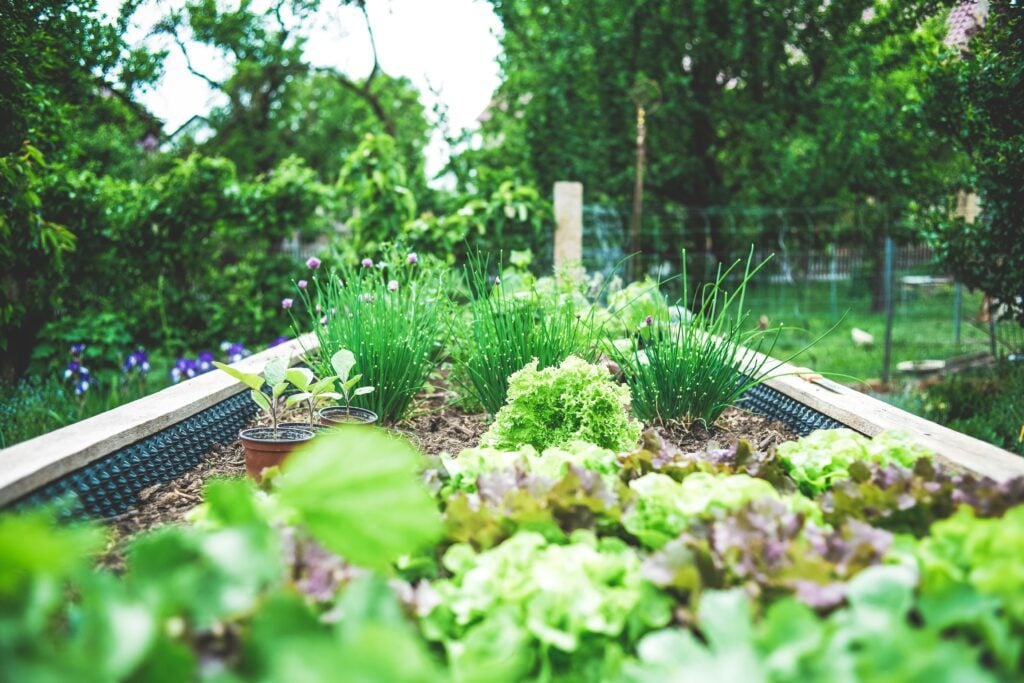
Whether you have a large backyard, a small raised bed, or even a few containers on a patio, gardening is one of the most rewarding hobbies you can start. Not only does it provide fresh food for your family, but it also helps you connect with nature and enjoy the satisfaction of growing something with your own hands.
If you’re new to gardening, here’s everything you need to know to get started.
Why Start a Garden?
There are so many benefits to growing your own garden:
- Fresh, healthy produce
- Lower grocery bills
- Beautiful flowers and landscaping
- Support for pollinators and wildlife
- Stress relief and improved mental health
Plus, there’s nothing quite like the taste of a tomato picked fresh from the vine, or herbs harvested right before dinner.
Step 1: Choose the Right Location
Most vegetables need at least 6–8 hours of sunlight each day.
When selecting a garden location, look for:
- Full sun exposure
- Good drainage
- Easy access to water
- Protection from strong winds
If space is limited, don’t worry. Container gardening is a fantastic option for beginners. The Greenstalk Tower makes a great option for limited spaces.
Step 2: Start Small
One of the biggest mistakes new gardeners make is planting too much at once.
Instead, start with:
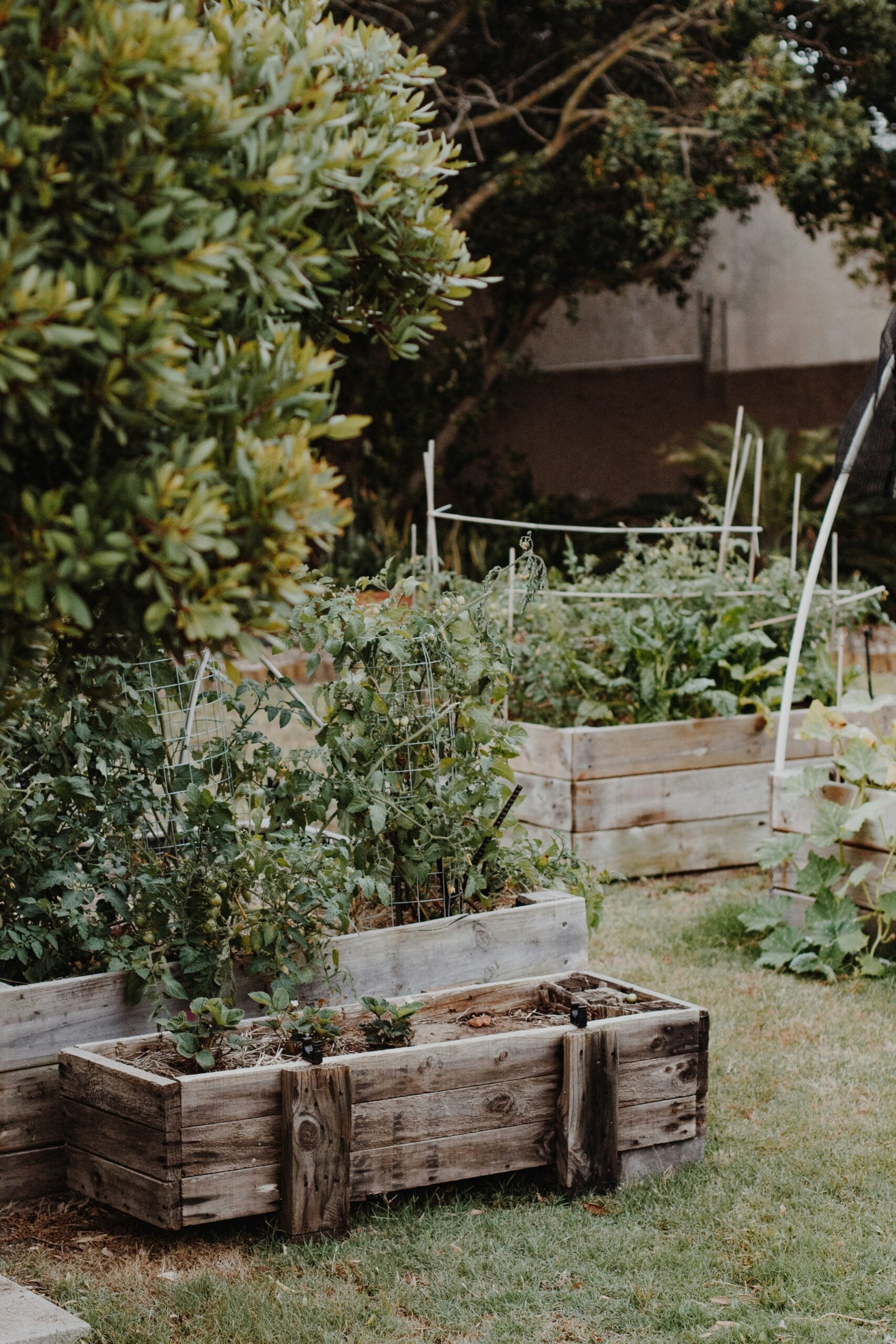
- A small raised bed
- A few containers
- One garden row
A manageable garden is easier to maintain and much less overwhelming.
Step 3: Choose Easy Crops
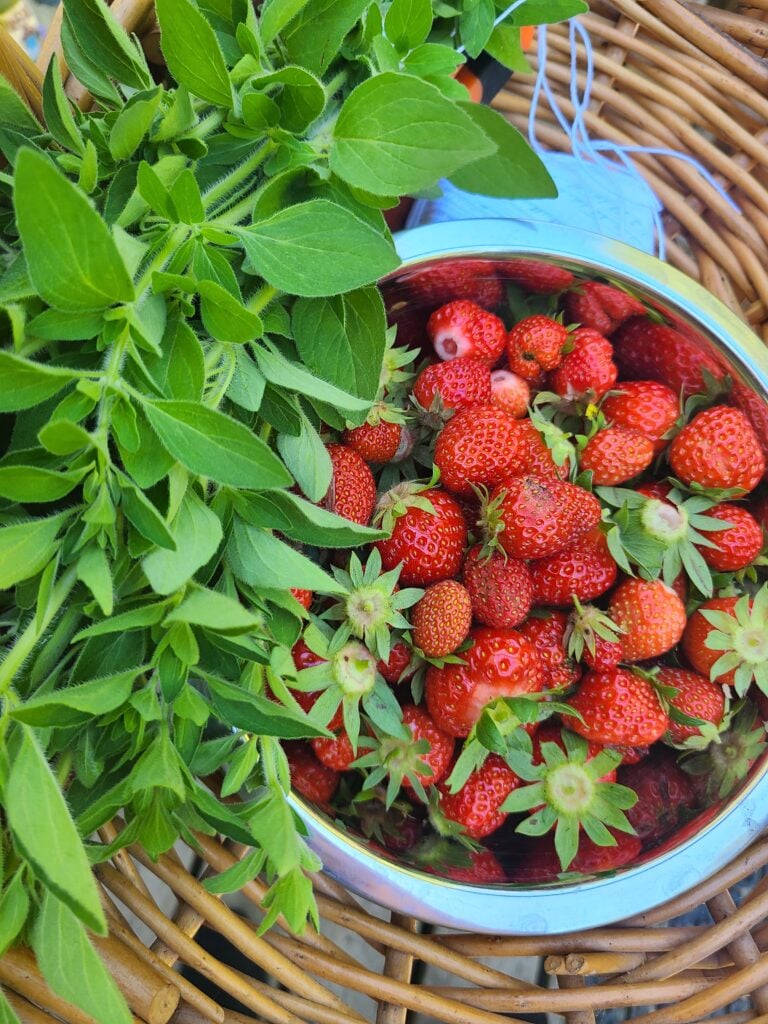
Some plants are more beginner-friendly than others. I’ve got a great list of my top suggestions for beginners, from herbs to tomatoes. These crops grow quickly and provide a great confidence boost for new gardeners.
Step 4: Prepare Your Soil
Healthy soil is the foundation of a successful garden. If you’re going to remember anything from this post, this is it.
Improve your soil by adding:
- Compost
- Aged manure
- Organic matter
- Mulch
Good soil helps plants develop strong roots and produce better harvests.
Step 5: Water Properly
Most gardens need consistent moisture.
Helpful watering tips:
- Water deeply rather than frequently
- Water early in the morning
- Avoid wetting plant leaves when possible
- Check soil moisture before watering
Overwatering can be just as harmful as underwatering.
Step 6: Mulch Your Garden
Mulch is one of the best tools a gardener can use.
Benefits include:
- Reduces weeds
- Retains moisture
- Protects soil
- Regulates temperature
Popular mulch options include straw, wood chips, leaves, and grass clippings.
Step 7: Learn to Identify Common Problems
Every gardener encounters challenges.
Keep an eye out for:
- Insect damage
- Yellowing leaves
- Weeds – the Grampa’s weeder is a great tool to own!
- Slugs – we deal with a ton of slugs in our garden, so we do the beer traps, salt late night/early morning checks and occasionally Sluggo. And of course welcome gardener snakes!
- Plant diseases
The sooner you notice a problem, the easier it is to fix.

Step 8: Harvest Often
Many vegetables produce more when harvested regularly.
Examples include:
- Lettuce
- Beans
- Cucumbers
- Herbs
- Zucchini
Frequent harvesting encourages continued growth and larger yields.
Common Beginner Gardening Mistakes
Avoid these common errors:
- Planting too much
- Ignoring plant spacing
- Overwatering
- Forgetting to mulch
- Giving up after a setback
Remember, every gardener learns through experience.
Gardening Is a Journey
No garden is perfect.
Some plants will thrive.
Some plants will struggle.
You’ll make mistakes.
And that’s okay.
Gardening is a skill that develops over time. Every season teaches something new, and every harvest—big or small—is something to celebrate.
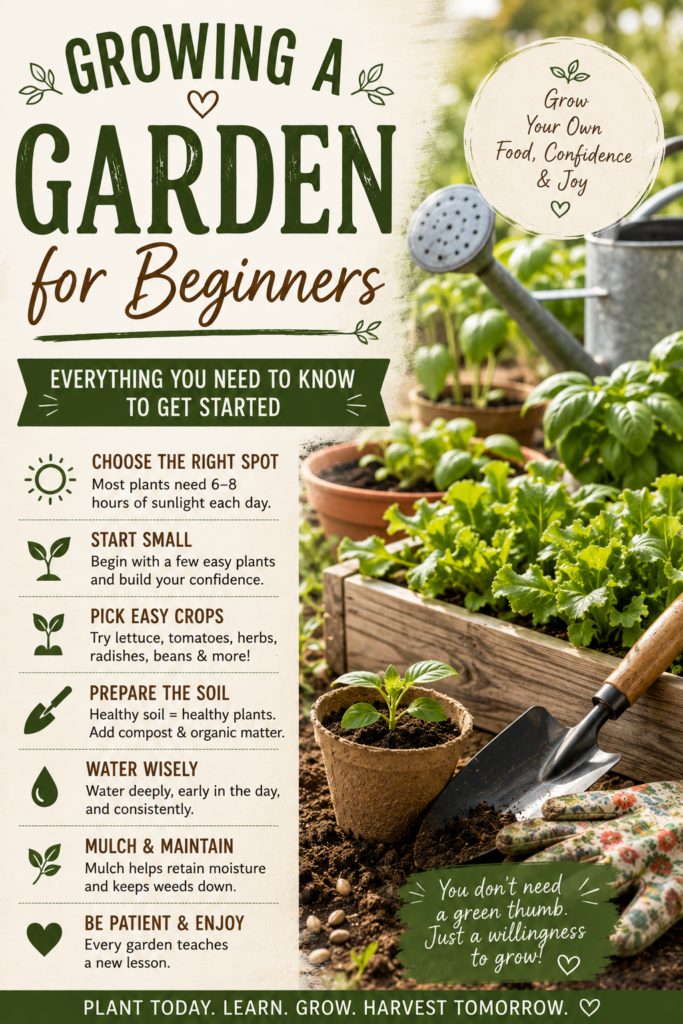
Starting a garden doesn’t require a green thumb, expensive equipment, or years of experience. All it takes is a willingness to learn and the patience to watch things grow.
Begin small, focus on a few easy crops, and enjoy the process. Before you know it, you’ll be harvesting fresh food, building confidence, and discovering why so many people fall in love with gardening.
Happy planting!