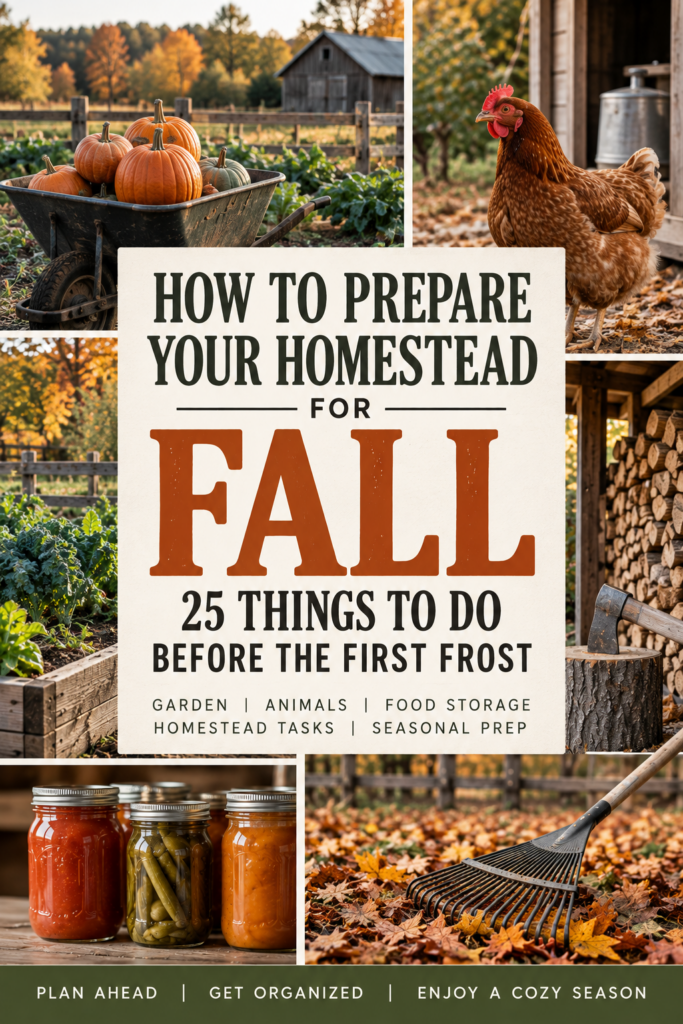
How to Prepare Your Homestead for Fall: 25 Things to Do Before the First Frost
There’s a point every year when you can just feel fall coming.
The mornings are cooler, the garden is slowing down, the chickens aren’t staying out quite as late, and suddenly I’m looking around the homestead thinking…
How is there THIS much to do before winter?!
Fall on a homestead is one of my favorite times of year, but it’s also one of the busiest. We’re harvesting the last of the summer garden, preserving food, cleaning things up, preparing the animals for wetter and colder weather, and trying to tackle all those projects we swore we’d finish during summer.
And here in the Pacific Northwest, preparing for fall isn’t just about colder temperatures.
It’s about rain. Mud. Wind. More rain. And approximately 147 days of trying to remember where you left your good pair of boots.
Okay, maybe not exactly 147.
But you get the idea.
The good news is that you don’t have to prepare your entire homestead in one weekend. Start now, work your way through the list, and tackle the most important things before that first frost arrives.
Here are 25 things to do around the homestead before fall really settles in.
1. Find Your Average First Frost Date
Before doing anything else, figure out approximately when your area usually experiences its first frost.
This gives you a deadline for harvesting tender vegetables, planting certain crops, moving sensitive plants, and finishing outdoor projects.
Remember that it’s only an average, though. Mother Nature does not care what your gardening calendar says.
Start watching nighttime temperatures as fall approaches.
In the Garden
2. Harvest Frost-Sensitive Vegetables
Tomatoes, peppers, cucumbers, squash, beans and other warm-season crops won’t appreciate a freezing night.
As temperatures start dropping, keep a closer eye on the forecast.
Harvest anything that’s ready, and if frost is coming, pick whatever you don’t want to lose.
Green tomatoes can ripen indoors, too!
3. Preserve the Last of the Summer Harvest
This is the season when the kitchen starts looking like a small food-processing facility.
Freeze.
Can.
Dehydrate.
Ferment.
Make jam.
Make salsa.
Make applesauce.
Freeze zucchini.
Then discover another zucchini hiding underneath a leaf.
The goal isn’t necessarily to preserve every single thing you grow. Focus on foods your family will actually eat during winter.
4. Plant Your Fall Garden
Summer ending doesn’t mean gardening has to end.
Depending on your climate and timing, you may still be able to grow cool-weather crops such as spinach, lettuce, kale, radishes, arugula, bok choy and other hardy greens.
In mild Pacific Northwest areas, some vegetables can continue producing surprisingly late into the season.
5. Plant Garlic
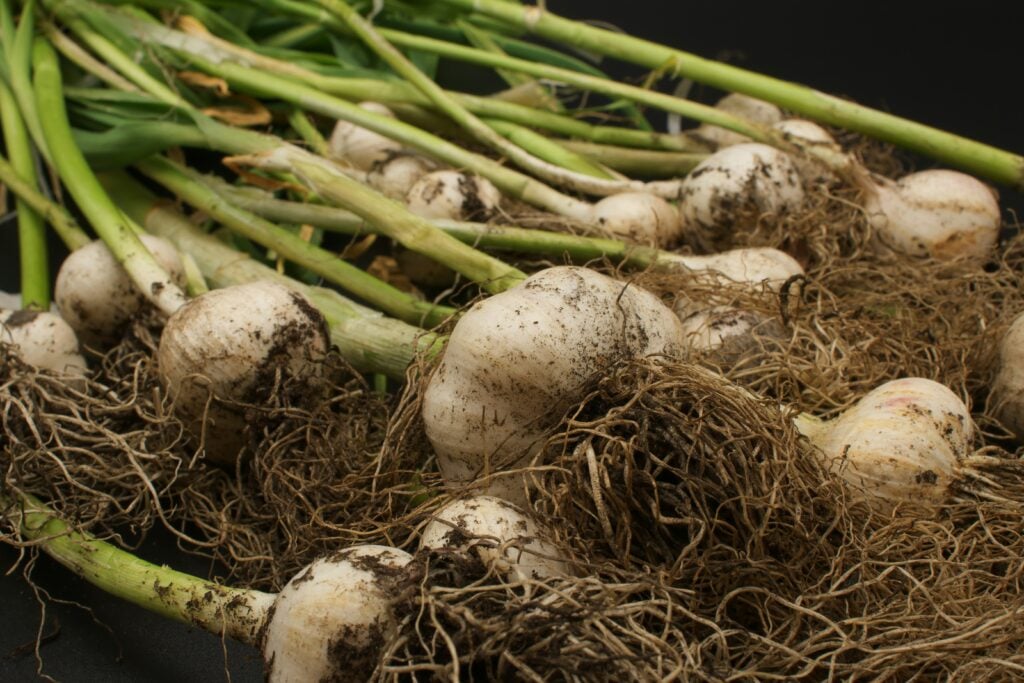
Fall means garlic planting season!
Garlic is one of my favorite crops because you plant individual cloves in fall, tuck them under mulch, mostly ignore them through winter, and harvest full bulbs the following summer.
Choose a sunny, well-drained spot and plant your cloves with the pointed end facing upward.
Then mulch them and let them do their thing.
Future-you will be very happy.
6. Collect Seeds for Next Year
Before ripping everything out of the garden, take a look around.
Are there flowers, herbs or vegetables you’d like to grow again next year?
Allow some seeds to fully mature and dry before collecting them.
Label everything.
Seriously.
You might think you’ll remember exactly which tiny brown seeds are which six months from now.
You probably won’t.
Ask me how I know.
These are my favorite seed packages!
7. Remove Diseased Garden Plants
Healthy plant material can often go into your compost system, but be more cautious with plants showing significant disease.
Removing diseased material can help reduce problems carrying over into next year’s garden.
And don’t forget fallen fruit.
Old apples, tomatoes and other produce sitting around the garden can become a buffet for pests.
8. Leave Some Garden Mess Behind
Here’s your official permission slip not to clean everything.
A perfectly stripped garden isn’t necessarily the best garden for wildlife.
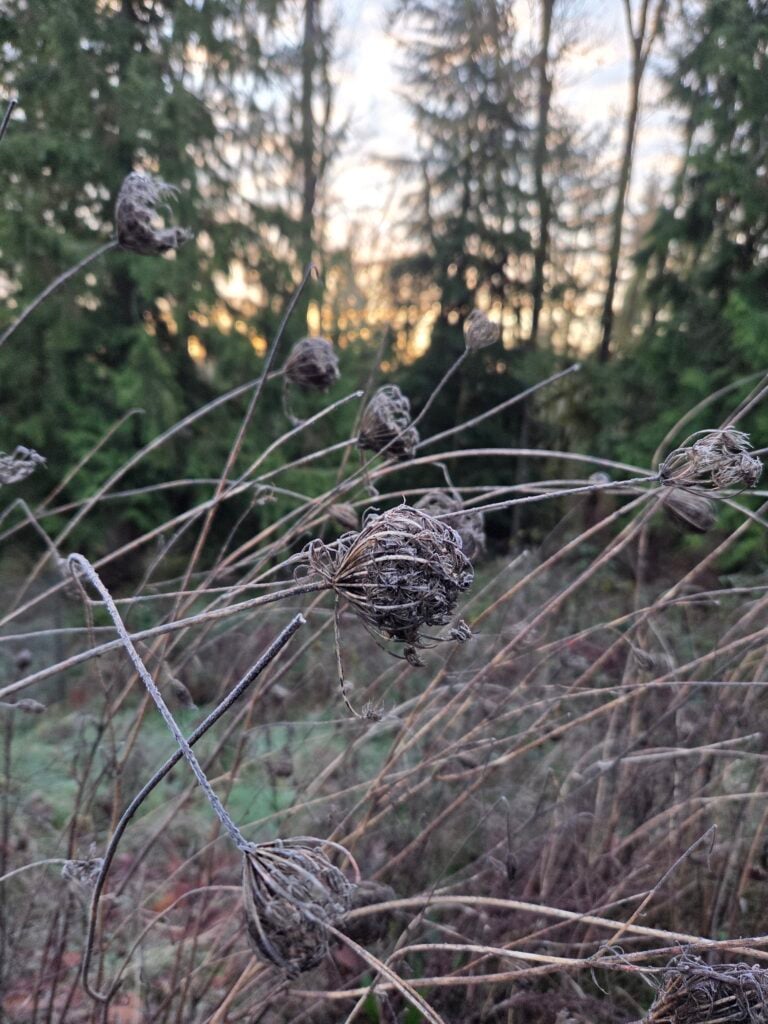
Seed heads can provide food for birds, while hollow stems, leaves and other plant material may provide overwintering habitat for beneficial insects.
Clean up what needs cleaning—but consider leaving a few wild corners.
A little mess can be useful.
I knew there was a reason I liked this style of gardening.
9. Add Compost to Garden Beds
After feeding plants all summer, your garden soil deserves something in return.
Fall is a wonderful time to spread finished compost over empty beds.
You can let worms, rain and time help incorporate that organic matter into the soil over the cooler months.
There’s no need to aggressively till everything under.
10. Mulch, Mulch, Mulch
Fall mulch can help protect soil from erosion, moderate temperature swings, suppress weeds and add organic matter as it breaks down.
Depending on what you have available, you might use:
- Leaves
- Straw
- Wood chips – get on ChipDrop’s wait list!
- Compost
- Chopped plant material
And if you’ve got deciduous trees?
Congratulations.
Free mulch is about to fall directly from the sky.
Around the Food Forest & Orchard
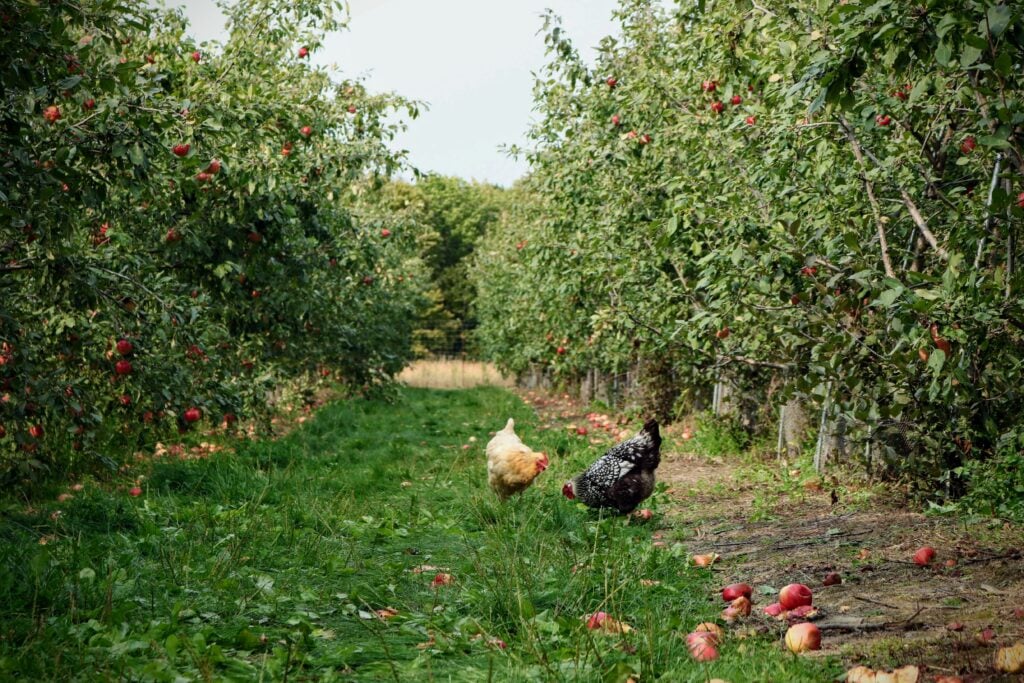
11. Pick Up Fallen Fruit
Don’t leave piles of rotting fruit underneath your trees all winter.
Collect fallen apples, pears, plums and other fruit regularly.
Usable fruit can head into the kitchen, appropriate scraps may go to livestock or compost depending on your setup, and questionable fruit should be handled appropriately rather than left sitting underneath the tree.
12. Protect Young Trees
Take a walk around newly planted fruit and nut trees.
Check stakes, guards and mulch.
Keep mulch from piling directly against the trunk, and consider protecting young trunks if rodents or other animals are likely to cause damage during winter.
A five-minute check now can save a tree later.
13. Plant Trees and Perennials
Fall can be a fantastic time to establish many trees, shrubs and perennial plants.
Cooler temperatures reduce stress compared with the heat of summer, while the soil can remain warm enough for roots to establish.
Depending on your climate, fall could be a great time to add another fruit tree, berry bush, native plant or perennial to your food forest.
Just don’t wait until the ground is frozen solid.
Preparing the Animals
14. Inspect the Chicken Coop & Livestock Shelter
Before cold, wet weather arrives, give the livestock’s home a good inspection.
Look for:
- Roof leaks
- Loose boards
- Holes
- Damaged hardware cloth
- Drafts
- Signs of rodents
- Areas where water could get inside
You want their shelters dry and protected while still maintaining good ventilation.
Sealing the shelter up like a plastic container isn’t the goal though. Moisture buildup can create its own problems.
15. Prepare for Mud
If you live in the Pacific Northwest, you know what’s coming.
Mud season.
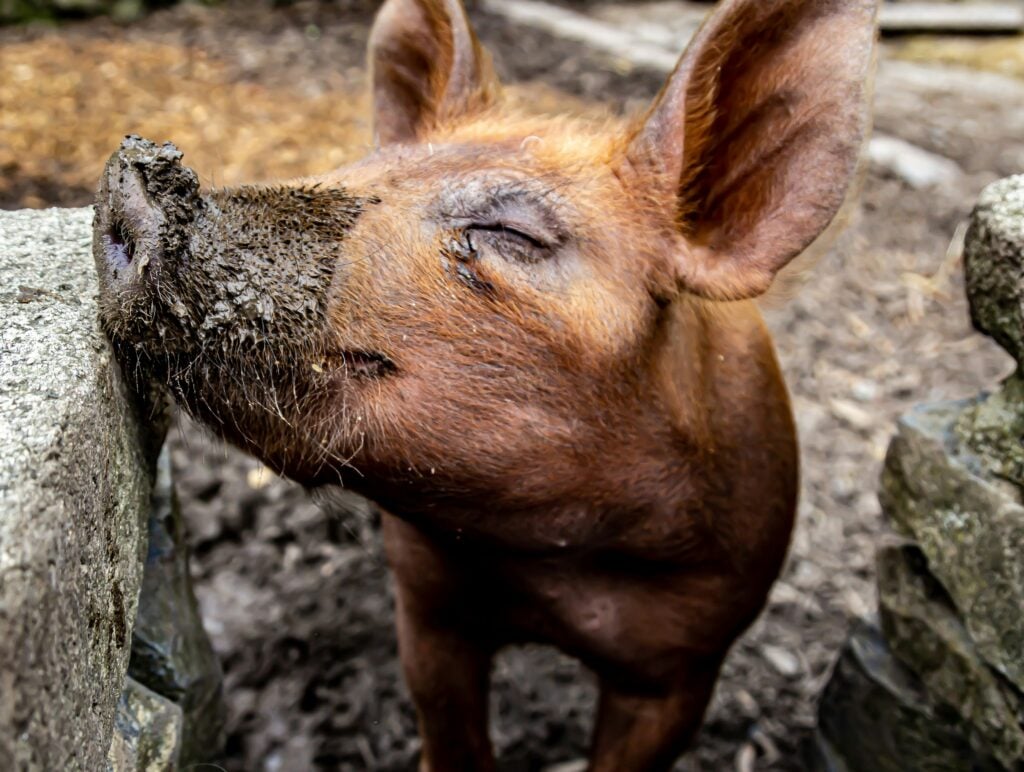
Look around animal areas now and identify the places that turn into swamps every winter.
Consider improving drainage or adding appropriate materials to heavily traveled areas before they’re knee-deep in mud.
Doing this on a dry September afternoon is much more pleasant than doing it during sideways November rain.
16. Check Water Systems
Cold weather can create problems with outdoor waterers, hoses and pipes.
Inspect everything now.
Repair leaks, disconnect equipment that shouldn’t remain outside during freezing weather, and decide how you’ll keep livestock water available when temperatures drop.
There’s nothing quite like discovering a frozen waterer at 6:30 a.m.
Avoid that experience whenever possible.
17. Stock Up on Feed and Bedding
You don’t necessarily need to fill an entire barn with six months of supplies, but having extra feed and bedding available before bad weather is helpful.
Keep feed stored somewhere dry and rodent-resistant. I store the chicken feed in these steel trash cans.
Also check that your hay, straw, shavings or other bedding supplies are protected from moisture.
18. Check Fencing and Gates
Walk the entire fence line.
Yes, the whole thing.
Look for loose wire, leaning posts, gaps, damaged gates and places animals have clearly been investigating.
Winter storms have a way of turning a tiny fencing problem into a much bigger one.
And nobody wants to repair fencing in freezing rain while an animal stands on the wrong side watching.
Homestead & Property Projects
19. Clean and Organize Garden Tools
By late summer, my garden-tool organization system tends to become:
“Lean it somewhere and hope I remember where.”
Fall is a good time to gather everything.
Clean dirt from tools, sharpen what needs sharpening, oil appropriate metal surfaces, repair broken handles and put everything somewhere dry.
You’ll appreciate it when spring arrives.
20. Drain and Store Garden Hoses
Before freezing temperatures arrive, disconnect hoses from outdoor faucets.
Drain them thoroughly and store them somewhere protected if possible.
Also winterize irrigation systems according to your particular setup.
This is one of those boring jobs that feels completely unnecessary…
until something freezes and breaks.
21. Clean Gutters and Check Drainage
This is an especially important one in rainy climates.
Clear leaves and debris from gutters and make sure downspouts are directing water where it should go. This Gutter Scooper is especially great if you get a lot of pine needles!
Then walk your property during or after a heavy rain.
Where is water pooling?
Where is soil washing away?
Where are paths becoming muddy?
Fall rain can teach you a lot about how water moves across your property.
22. Prepare for Fall Storms
Take a walk around the property and look up.
Are there obviously damaged branches hanging over buildings, fences or frequently used areas?
Are tarps secured?
Is lightweight outdoor furniture going to become airborne during the first big windstorm?
Are your flashlights working?
Do you know where the batteries are?
A little preparation before storm season can make those dark, windy nights much less stressful.
For large or hazardous tree work, bring in a qualified professional rather than attempting it yourself.
23. Deal With the Woodpile
If you heat with wood, now is definitely not the time to discover your firewood is sitting uncovered in the rain.
Get wood stacked somewhere with good airflow and appropriate protection from precipitation.
Bring only a sensible amount indoors at a time so you’re not inviting insects and other unwanted guests into the house.
Bonus points if your woodpile looks beautifully organized.
Mine just needs to be dry.
24. Clean and Put Away Summer Equipment
Before winter weather takes over, deal with the stuff you’re finished using.
Garden equipment.
Summer toys.
Outdoor furniture.
Harvest baskets.
Tools.
Shade cloth.
Empty pots.
Clean it, repair it if necessary and put it away properly.
Otherwise, spring-you gets to discover everything exactly where fall-you abandoned it.
And spring-you will have opinions.
25. Make Your Winter Homestead List
Finally, walk around your property with a notebook.
Don’t necessarily do anything.
Just observe.
Write down:
What worked this year?
What didn’t?
Where did you need more garden space?
Which crops produced well?
What structures need repairs?
Where does water collect?
Which projects should happen next year?
What do you want to grow more of?
What should you stop growing altogether?
Take photos, too.
Winter is when I love looking back at the growing season and figuring out what I want to change.
Because somehow, while you’re exhausted from this year’s garden, you’ll already start dreaming about next year’s.
That’s just how gardening works.
Don’t Try to Do Everything in One Weekend
Here’s the thing about preparing a homestead for fall:
There will always be more to do.
You could probably make a list of 100 jobs and still think of another one tomorrow.
So don’t make yourself crazy trying to create a perfectly winterized homestead.
Start with the things that matter most.
Protect the animals.
Harvest the food.
Prepare for freezing temperatures.
Deal with water and drainage.
Protect equipment.
Take care of the soil.
Then work your way through everything else.
Some projects will get finished.
Some will get moved to next year.
And at least one garden tool will inevitably spend the entire winter somewhere you don’t remember putting it.
That’s homestead life.
Fall isn’t just about shutting everything down, either. It’s actually one of the most hopeful seasons on the homestead.
We’re putting garlic into the ground for next summer.
We’re adding compost that will feed next year’s garden.
We’re planting trees that might feed our families for decades.
We’re filling the pantry with food we grew ourselves.
And we’re looking around at everything we learned this year and thinking about what we’ll do differently when spring comes around again.
So pour yourself something warm, pull on your boots, and start checking things off.
Winter is coming—but your homestead is going to be ready for it.