The Beginner’s Guide to Food Forests
Have you ever wished your yard could produce fresh fruit, berries, herbs, and vegetables year after year without constantly replanting?
That’s exactly what a food forest is designed to do.
Imagine wandering through your garden and picking apples from a tree, gathering blueberries for breakfast, snipping fresh herbs for dinner, and harvesting strawberries growing beneath it all. A food forest turns your yard into a productive ecosystem that works with nature instead of against it.
The best part? You don’t need a massive homestead to get started.
Creating a Food Forest: How to Grow an Abundant Backyard Harvest for Years to Come
What Is a Food Forest?
A food forest is a layered garden designed to mimic a natural woodland ecosystem. Instead of growing plants in rows, different edible plants are stacked together in layers.
Think of it as nature’s version of a grocery store.
A food forest might include:
- Fruit trees
- Berry bushes
- Herbs
- Pollinator flowers
- Ground covers
- Root crops
- Climbing vines
Each plant serves multiple purposes while supporting the health of the entire system.
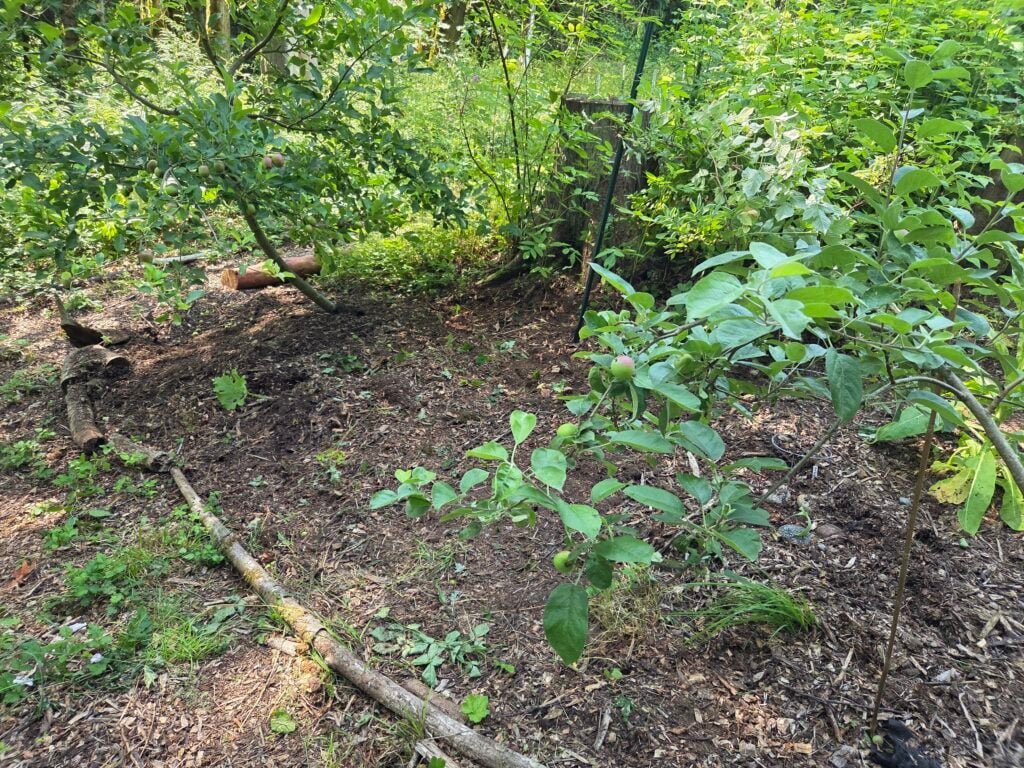
The Layers of a Food Forest
Canopy Layer
Large fruit and nut trees form the top layer. Examples:
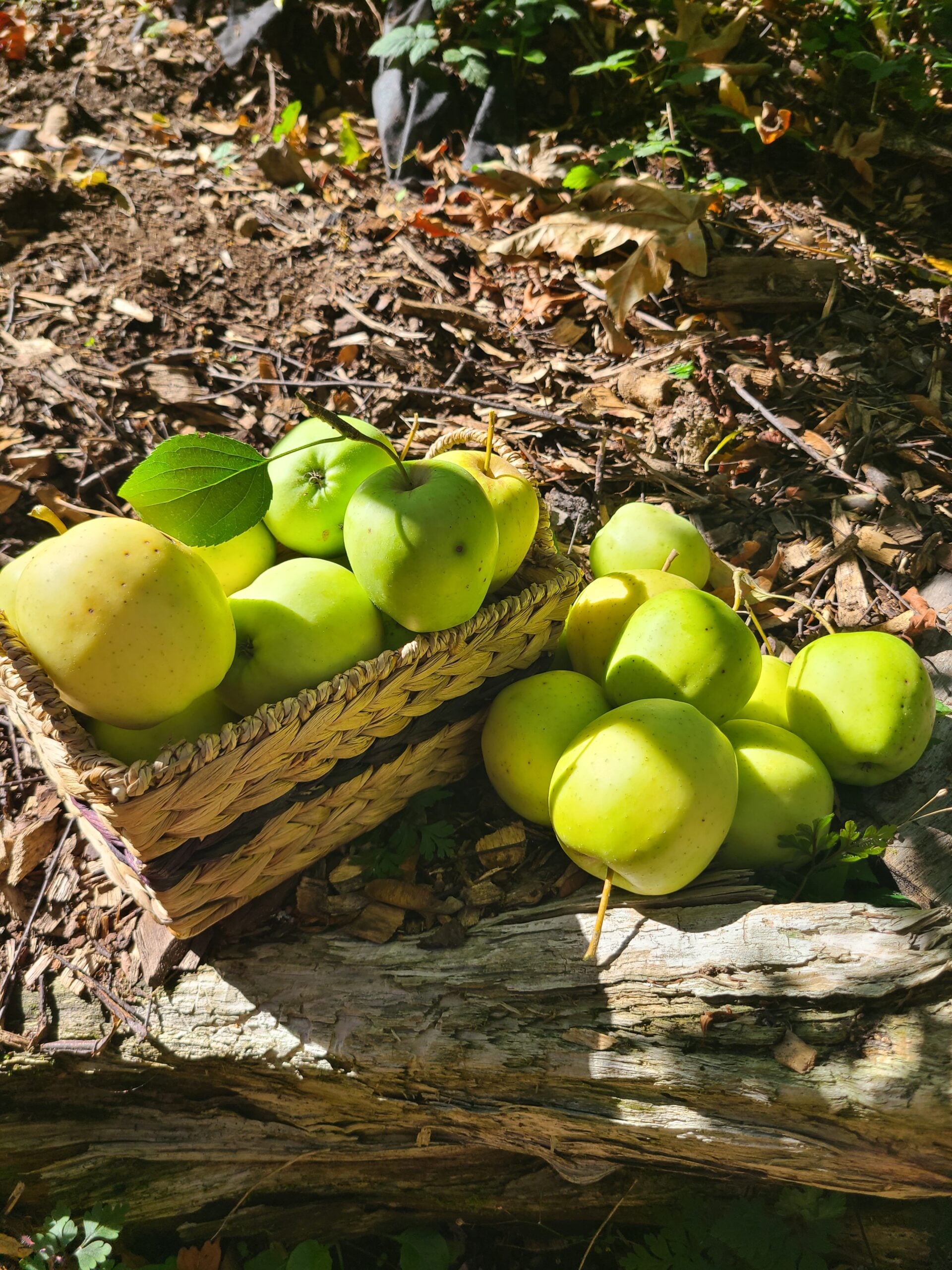
- Apple
- Pear
- Walnut
Understory Layer
Smaller or dwarf fruit trees grow beneath the canopy. Examples:
- Plum
- Cherry
- Citrus
Shrub Layer
One of the most productive layers. Examples:
- Blueberries
- Currants
- Raspberries
- Elderberries
Ground Cover Layer
These plants protect the soil and reduce weeds. Examples:
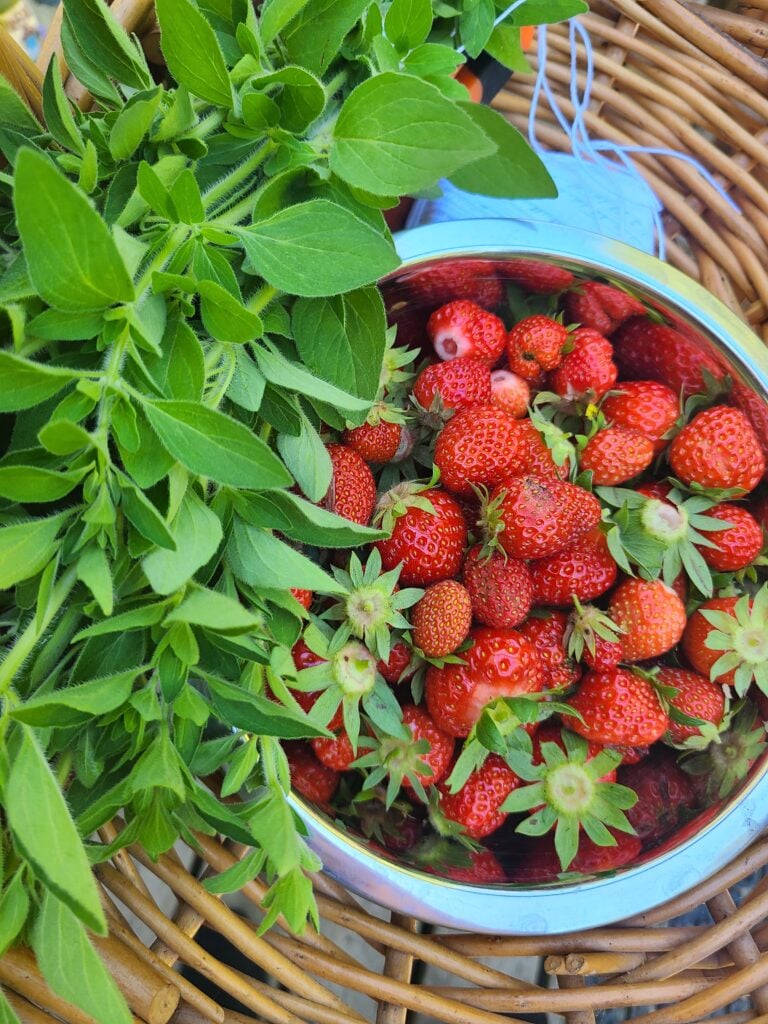
- Strawberries
- Creeping thyme
- Clover
Vine Layer
Don’t forget vertical growing space. Examples:
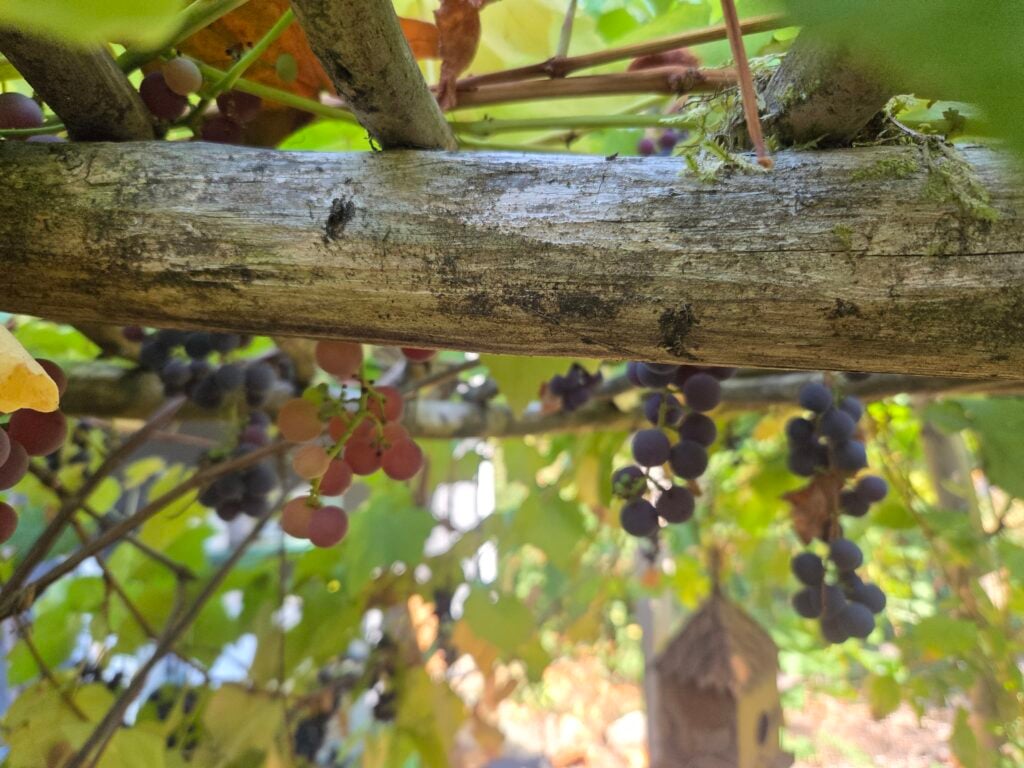
- Grapes
- Hardy kiwi
- Pole beans
Root Layer
This plants grow underground benefiting the soil. Examples:
- Sweet potatoes
- Radishes
- Carrots
Start Small (Seriously)
One of the biggest mistakes people make is thinking they need to create an entire food forest at once.
You don’t.
Start with:
- One fruit tree
- Two berry bushes
- A few perennial herbs
- A patch of strawberries
That’s it.
Every food forest begins with a single plant.
Plant for Pollinators
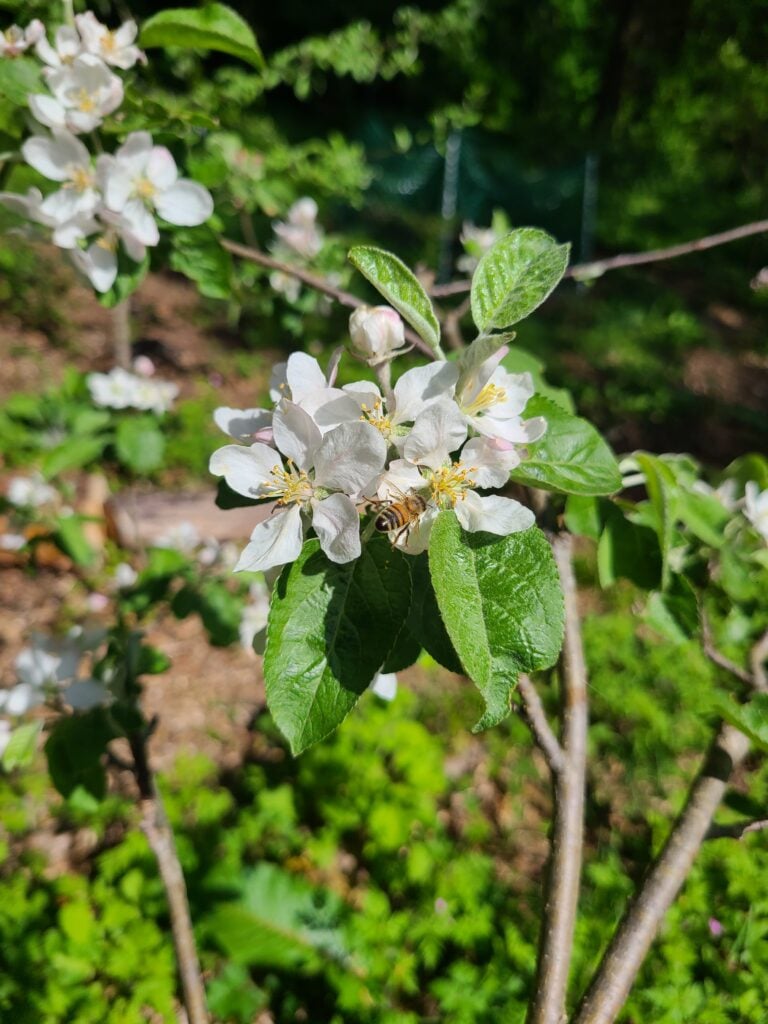
A thriving food forest depends on pollinators.
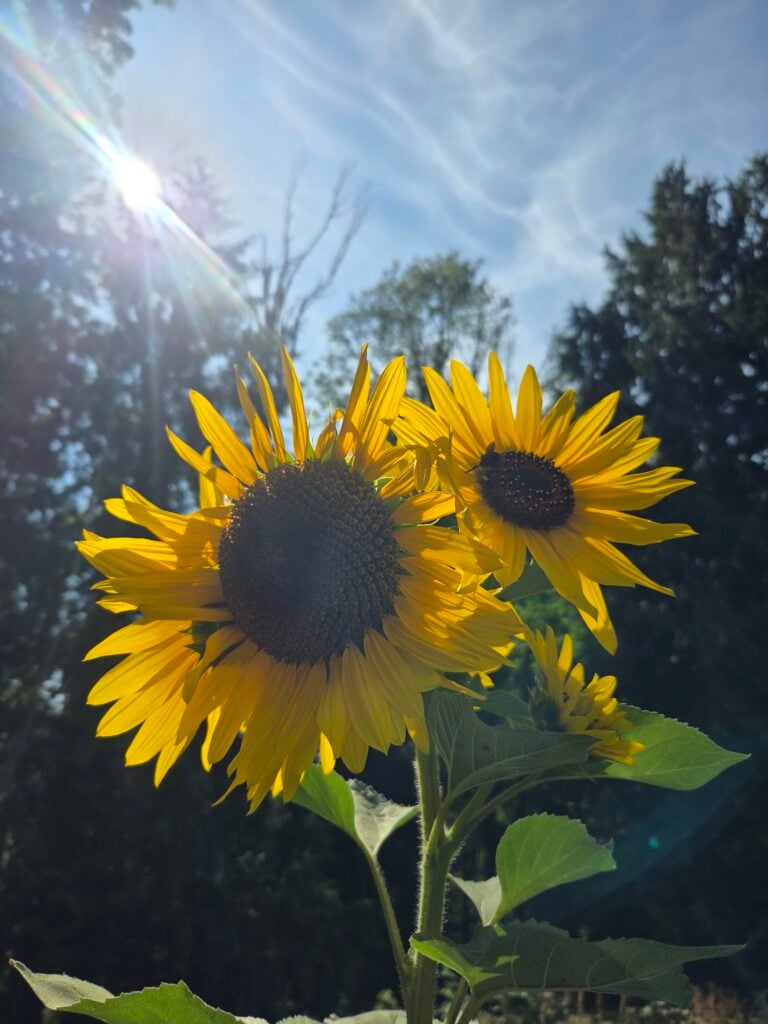
Add flowers such as:
- Lavender
- Borage
- Sage
- Echinacea
- Bee Balm
- Calendula
- Bachelor Buttons
These plants attract bees, butterflies, and beneficial insects that help your food forest thrive.
Best Plants for a Pacific Northwest Food Forest
If you’re gardening in the Pacific Northwest, you already have ideal conditions for many food forest plants. Here are just a few:
Fruit Trees
- Apples
- Pears
- Plums
- Cherries
Berry Bushes
- Blueberries
- Currants
- Elderberries
- Raspberries
Perennial Herbs
- Mint
- Chives
- Lemon Balm
- Oregano
- Thyme
- Sage
- Lavender
Ground Covers
- Strawberries
- Clover
- Creeping Thyme
Many of these plants practically flourish with our mild temperatures and plentiful rainfall.
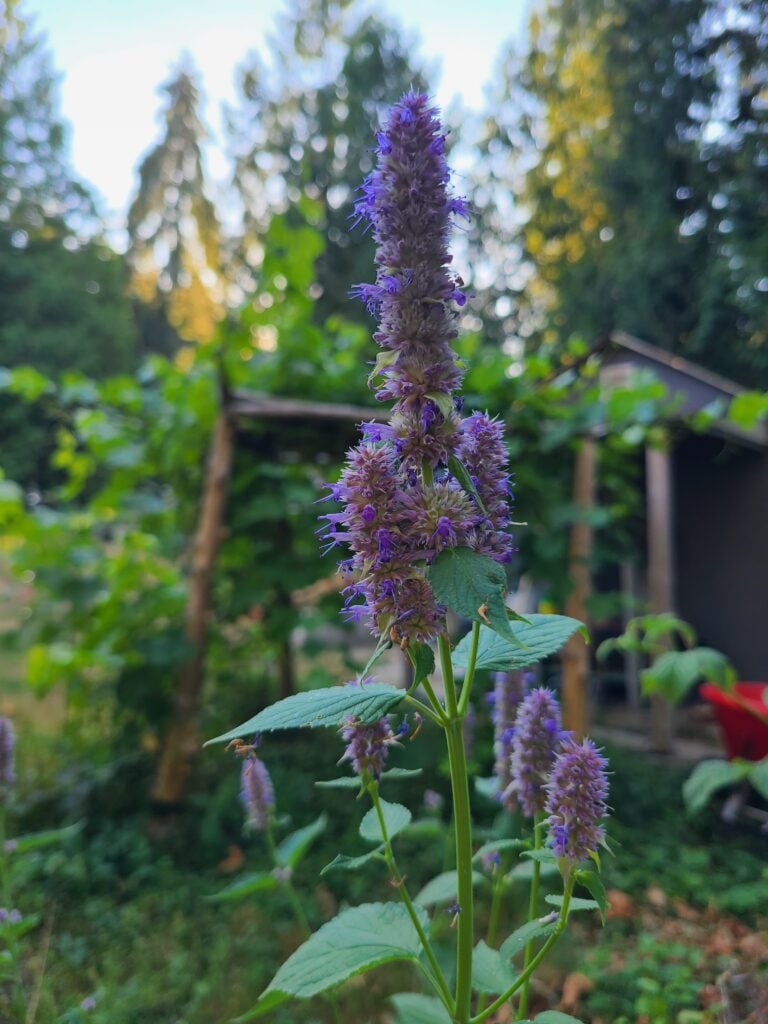
Check out how our food forest has transformed over the years!
Let Nature Help
One of the most beautiful things about a food forest is that it becomes easier to maintain over time.
As plants mature:
- Soil improves
- Pollinators increase
- Moisture retention improves
- Weeds decrease
- Harvests grow larger
Instead of fighting nature, you’re creating a partnership with it.
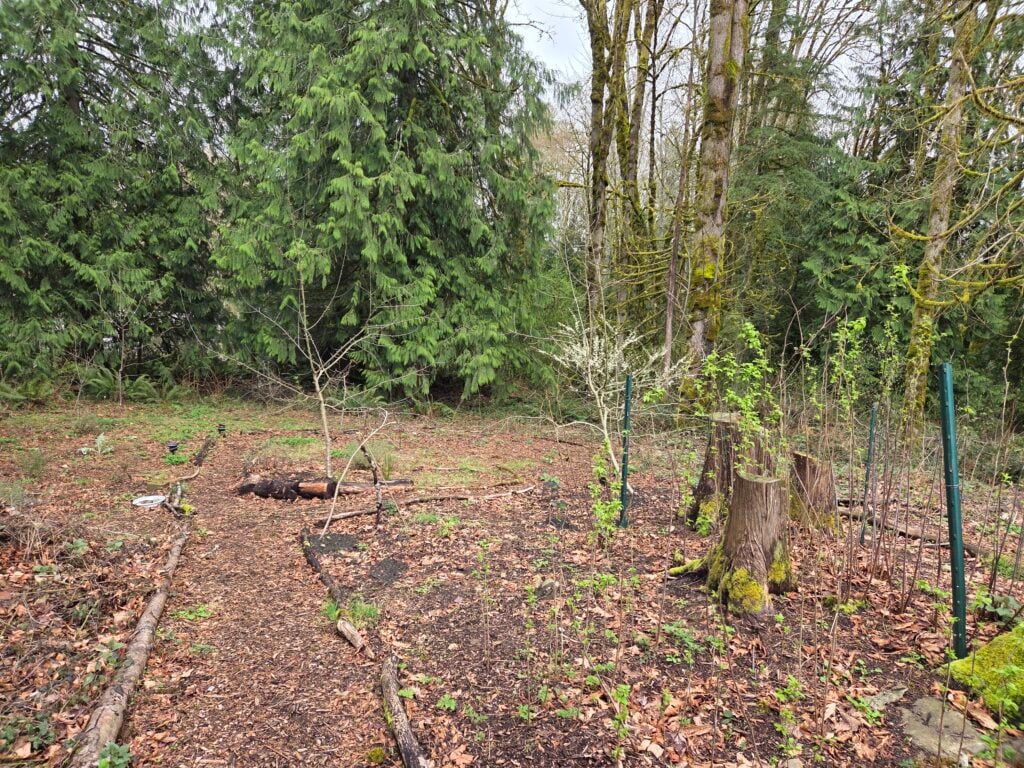
A food forest isn’t built in a weekend.
The first year may not look impressive. The second year you’ll start seeing growth. By year three, four, and five, you’ll begin harvesting the rewards of your patience.
That’s one of the greatest lessons gardening teaches us: the best things often take time.
Creating a food forest isn’t just about growing food.
It’s about building something that becomes more abundant every year.
A place where bees find flowers, birds find shelter, and your family finds fresh food right outside the back door.
Start small.
Before you know it, you’ll be creating an edible landscape that’s beautiful, productive, and uniquely your own.