Stinging Nettle on the Homestead: Uses, Benefits & Harvesting Tips
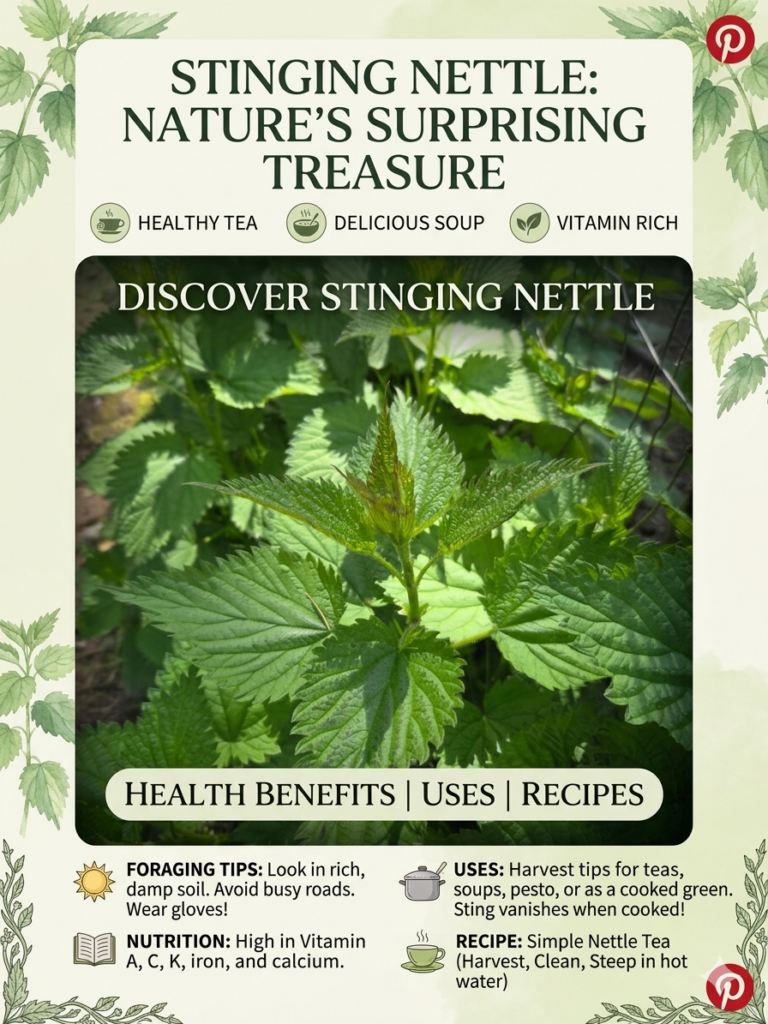
If you’ve ever brushed up against Stinging Nettle(Urtica dioica), you probably remember it. That quick sting is enough to make most people steer clear of this wild plant for good. But what if that prickly plant growing along trails, fences, and garden edges is actually one of the most useful plants around?
For centuries, people have gathered stinging nettle for food, medicine, and even garden care. Once cooked or dried, the sting disappears and what’s left is a plant packed with nutrients and possibilities. From making nourishing teas to creating natural fertilizer, stinging nettle has far more to offer than its reputation suggests.
With a little knowledge—and maybe a good pair of gloves—you might start looking at this “weed” in a whole new way.
What’s Stinging Nettle?
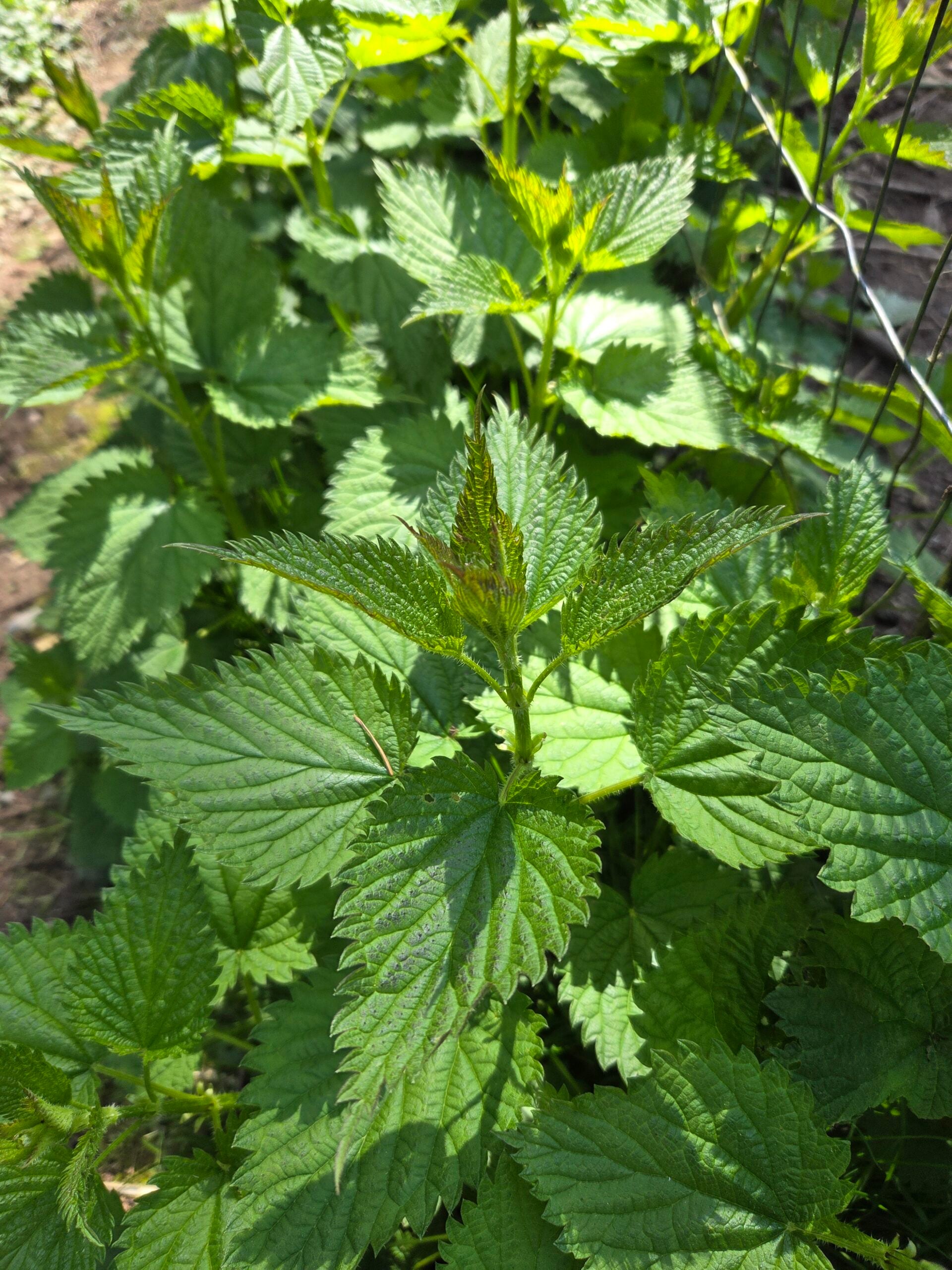
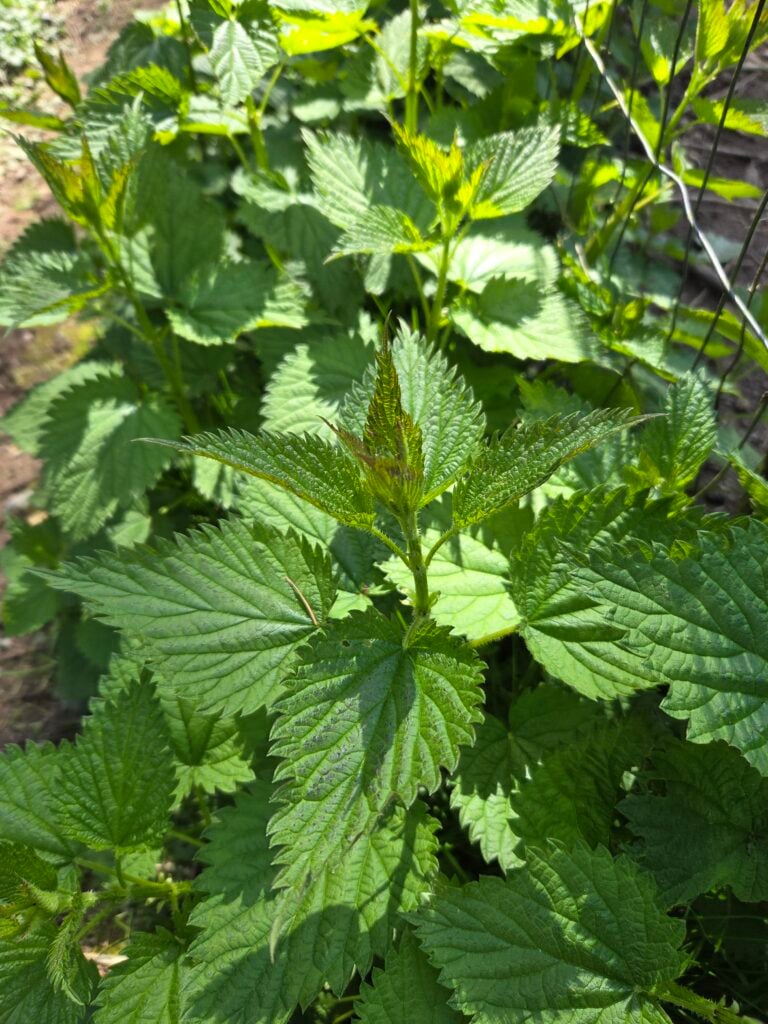
Stinging Nettle is a hardy perennial plant that grows wild in many parts of the world, often appearing along trails, riverbanks, garden edges, and rich soils. Stinging nettle is one of the first “weeds” to pop up in early spring.
It’s easy to recognize by its deep green, serrated leaves and upright stems covered in tiny hair-like needles that cause a sharp sting when touched.
benefits of stinging nettle
Stinging Nettle has been used for centuries in traditional herbal medicine because of its impressive nutritional profile. Once the leaves are dried or cooked—removing their sting—they become a powerful plant often used to nourish and support the body naturally.
Here are some of the ways stinging nettle is commonly used medicinally:
• Supports Iron Levels and Energy
Stinging nettle is naturally rich in iron and other minerals that help support healthy red blood cells. Because of this, it has traditionally been used to help nourish the body and support energy levels.
• Strengthens Bones and Teeth
Nettle contains calcium, magnesium, and vitamin K, nutrients that play an important role in maintaining strong bones and supporting overall skeletal health.
• Supports the Immune System
With high levels of vitamin C and antioxidants, nettle has long been used to help support the body’s natural defenses and overall immune health.
• Helps with Seasonal Allergies
Many people use nettle as a natural remedy during allergy season. Herbal traditions often turn to nettle tea or extracts to help support the body’s response to seasonal allergens.
• Promotes Overall Nourishment
Because it is packed with vitamins and minerals, nettle is often used as a daily herbal tonic. Drinking nettle tea or infusions is a simple way many people add extra nourishment to their routine.
This humble plant may have a reputation for its sting, but its long history of medicinal use shows that it’s truly one of nature’s most nourishing and supportive herbs.
how to harvest nettle safely & prepare it
Harvesting Stinging Nettle might sound intimidating at first, but with the right approach it’s actually quite simple. Once you know how to handle it, nettle quickly becomes one of the easiest and most rewarding wild plants to gather.
Start with the right protection.
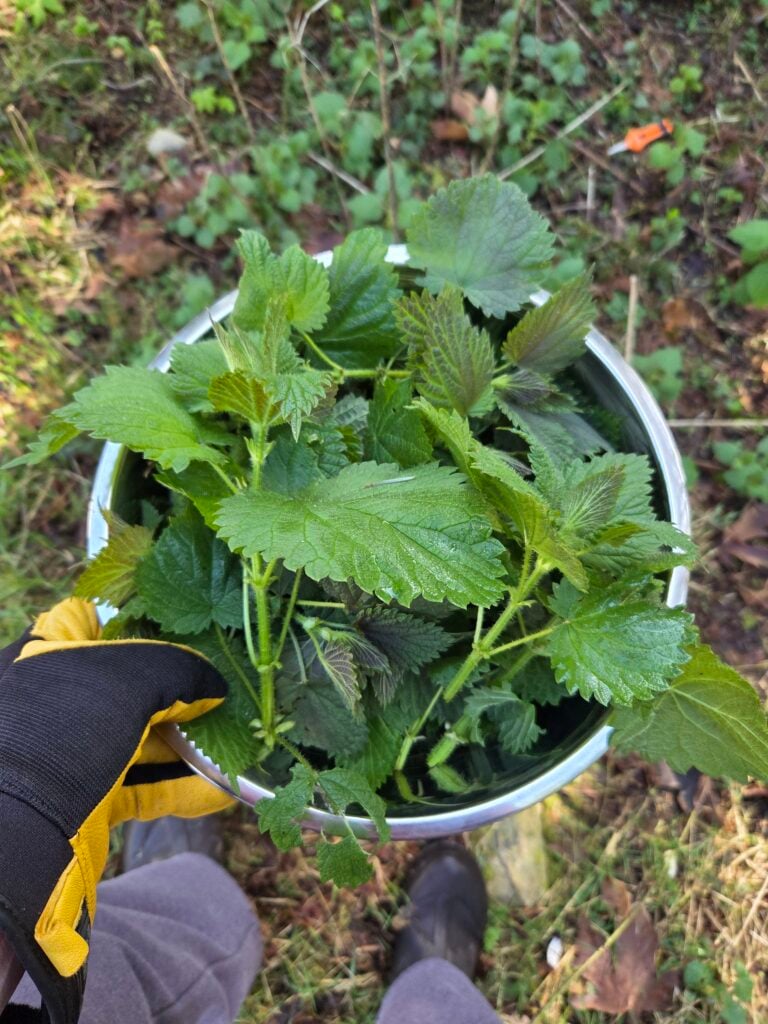
A pair of garden gloves will protect your hands while you gather the plants. Long sleeves can also help prevent accidental brushes against the leaves.
Harvest young plants for the best flavor and texture.
The most tender and nutritious nettles are the young shoots that appear in early spring. Look for fresh plants with bright green leaves and cut the top few inches of the stem using scissors or garden shears.
Handle carefully until the sting is removed.
Place the harvested nettles into a basket or bag without crushing them. The sting remains active while the plant is fresh, so continue to handle them carefully until they are prepared.
Neutralize the sting through heat or drying.
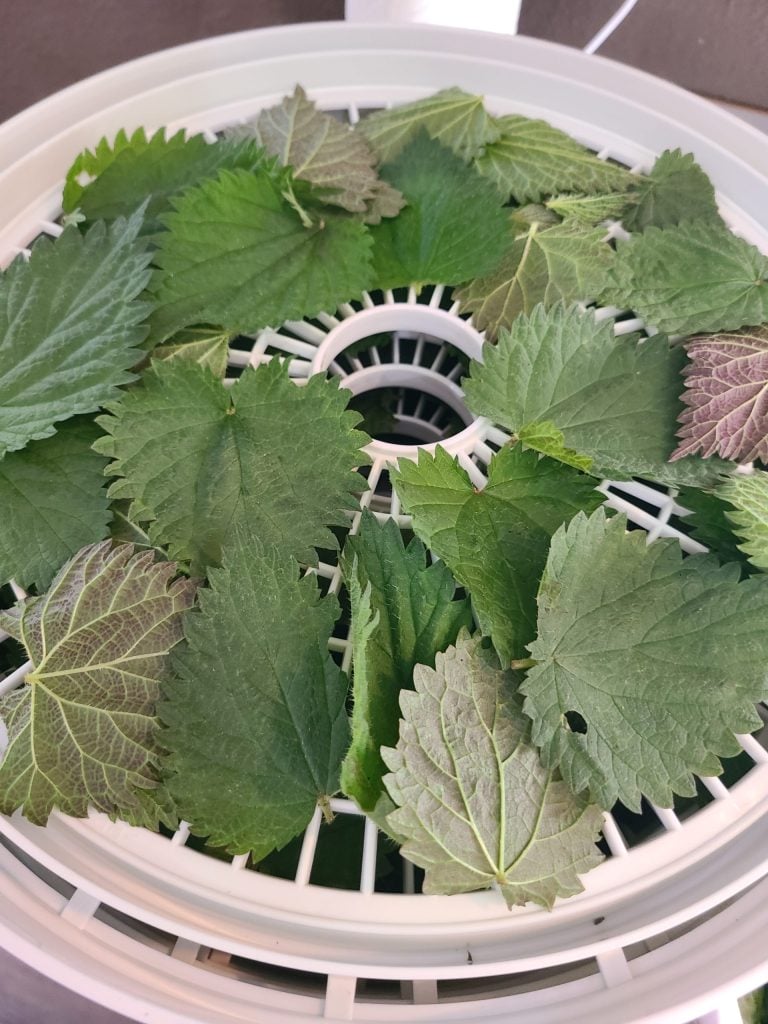
The good news is that the sting disappears completely once the plant is cooked or dried. Simply blanching nettle leaves in boiling water for a few minutes removes the sting and transforms them into a soft, spinach-like green. Drying the leaves also neutralizes the sting, making them perfect for herbal teas.
A dehydrator is perfect for drying nettle!
Use nettle in simple, nourishing ways.
Once prepared, nettle can be added to soups, stews, omelets, pasta dishes, or blended into pesto. Dried leaves can be steeped into a mild, earthy tea that many people enjoy for its nourishing qualities.
using nettle for the garden
While Stinging Nettle is often pulled out and tossed aside as a weed, it can actually be an incredibly helpful plant in the garden. Gardeners have been using nettle for generations because it’s packed with nutrients that plants love.
One of the most popular ways to use nettle is by making nettle fertilizer, sometimes called nettle tea. Fresh nettle leaves are steeped in water for several days to create a nutrient-rich liquid that can be diluted and poured around plants. This homemade fertilizer is full of minerals like nitrogen, iron, and magnesium, which can help encourage strong plant growth and vibrant leaves.
Nettle can also be added directly to the compost pile. Because it breaks down quickly and contains valuable nutrients, it helps boost the quality of compost and speeds up the decomposition process. Tossing in a handful of nettle leaves can give your compost an extra nutrient kick.
Another benefit of nettle is that it can support beneficial insects in the garden. Certain butterflies and pollinators rely on nettle as a host plant, meaning it provides a place for them to lay eggs and support their life cycle. Allowing a small patch of nettle to grow can help create a healthier and more balanced garden ecosystem.
So while stinging nettle might look like an unwanted plant at first, it can actually play an important role in supporting soil health, plant growth, and beneficial wildlife. Sometimes the plants we’re quickest to remove are the ones that have the most to offer.
If you’re unable to grow your own, here’s a great company that I’ve bought herbs from in the past.
Recipes we’ve used stinging nettle in;
- Sourdough Focaccia
- Tea
- Pesto
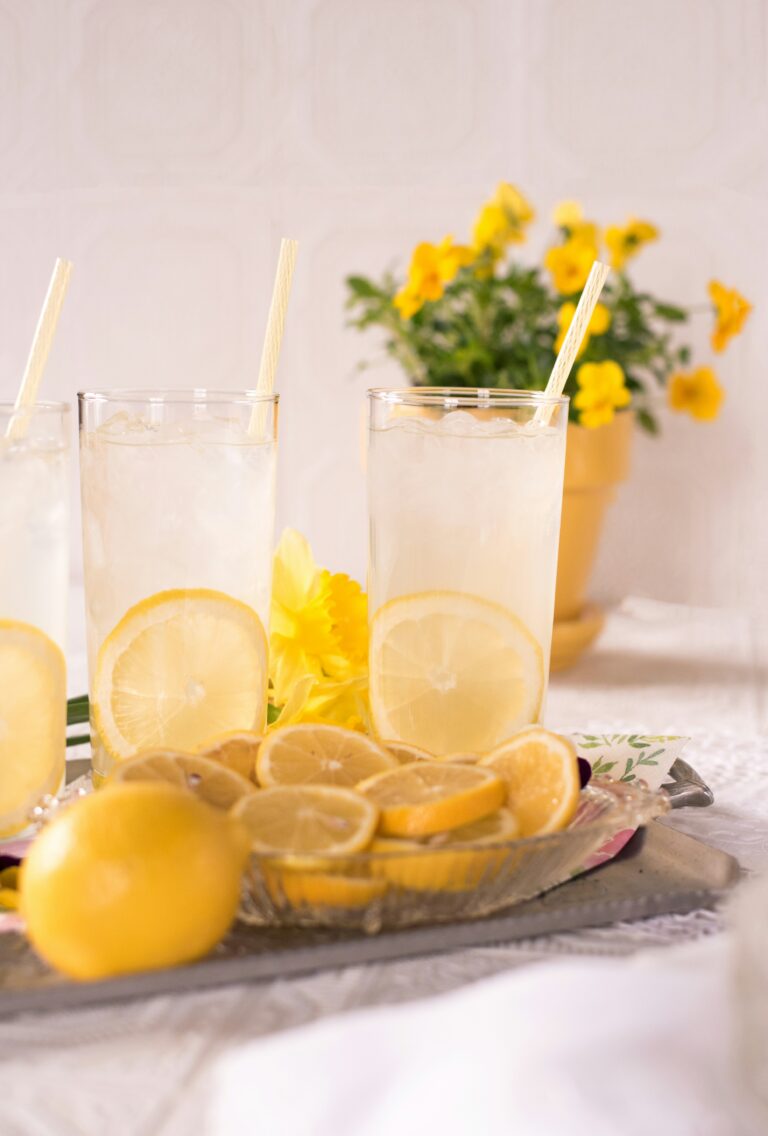
- Lemon Nettle Cake
- Spanakopita – instead of spinach
- I add it like any other herb in sauces, soups, ect.