Why Every Garden Needs Calendula
If there’s one flower I never want to be without, it’s calendula.
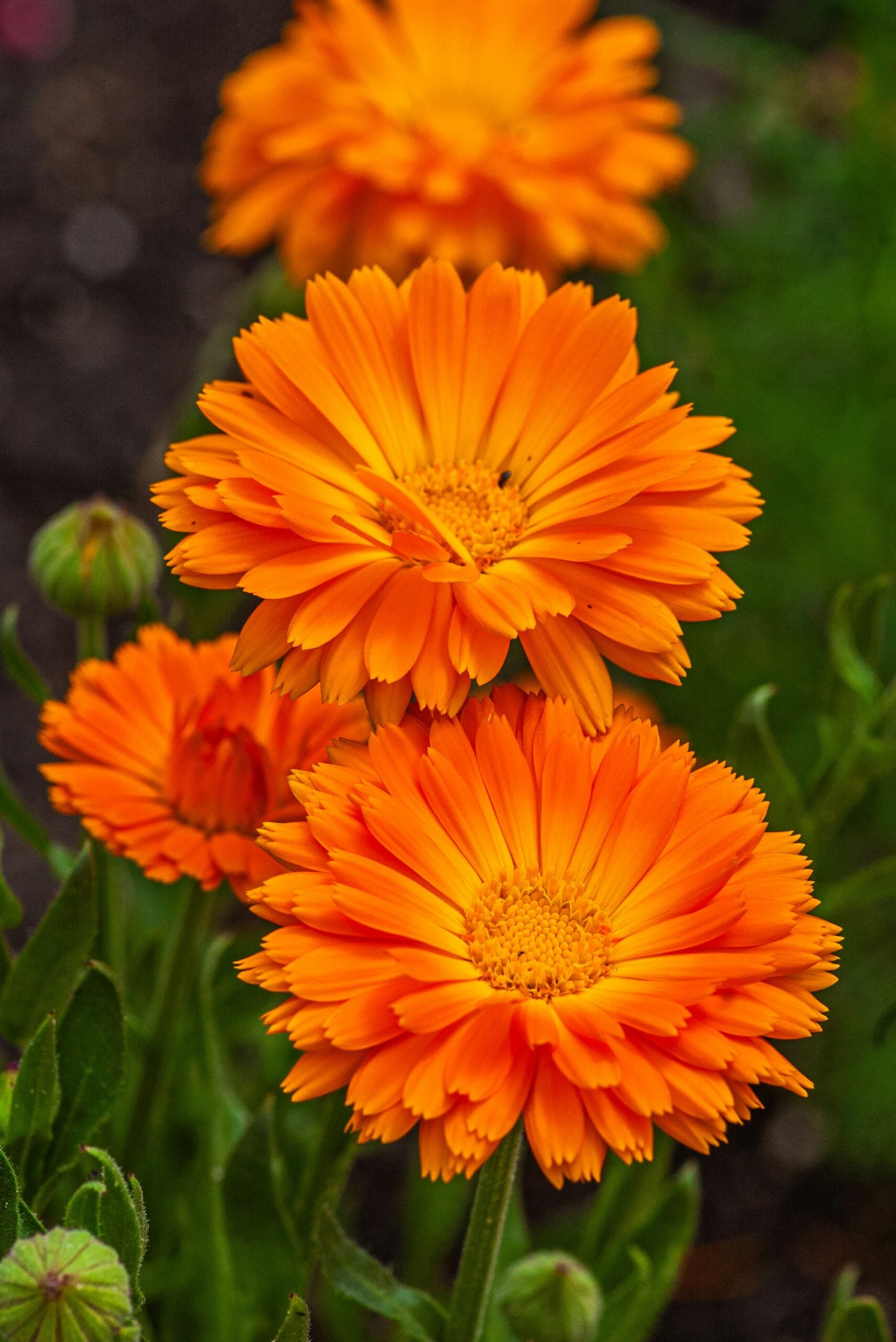
Its cheerful orange and golden blooms brighten the garden, bees absolutely adore it, and it happens to be one of the most versatile flowers you can grow. Long before it became a favorite in cottage gardens, calendula was valued in traditional herbal practices and used in everything from soothing skin preparations to colorful cooking ingredients.
Today, it’s still one of the first flowers I recommend to new gardeners—not just because it’s beautiful, but because it can be enjoyed in so many ways.
Whether you’re dreaming of a pollinator garden, learning traditional homesteading skills, or making your own herbal products, calendula is a wonderful place to start.
What Is Calendula?
Calendula (Calendula officinalis), often called pot marigold, is an easy-to-grow annual with bright yellow and orange blossoms that bloom for months.
Unlike common marigolds, calendula has edible petals and has been grown for centuries in kitchen gardens, monastery gardens, and family homesteads.
It’s one of those rare plants that’s equally at home in a flower bed, vegetable garden, herb garden, or apothecary garden.

Why Every Homestead Should Grow Calendula
Calendula is one of the hardest-working flowers in the garden.
It:
- Blooms from late spring until frost
- Attracts bees, butterflies, and beneficial insects
- Makes a beautiful companion plant
- Produces an abundance of flowers with very little care
- Is easy to harvest and dry
The more flowers you pick, the more the plant seems determined to produce.
GROW YOUR OWN CALENDULA FROM SEEDS!
A Favorite of Pollinators
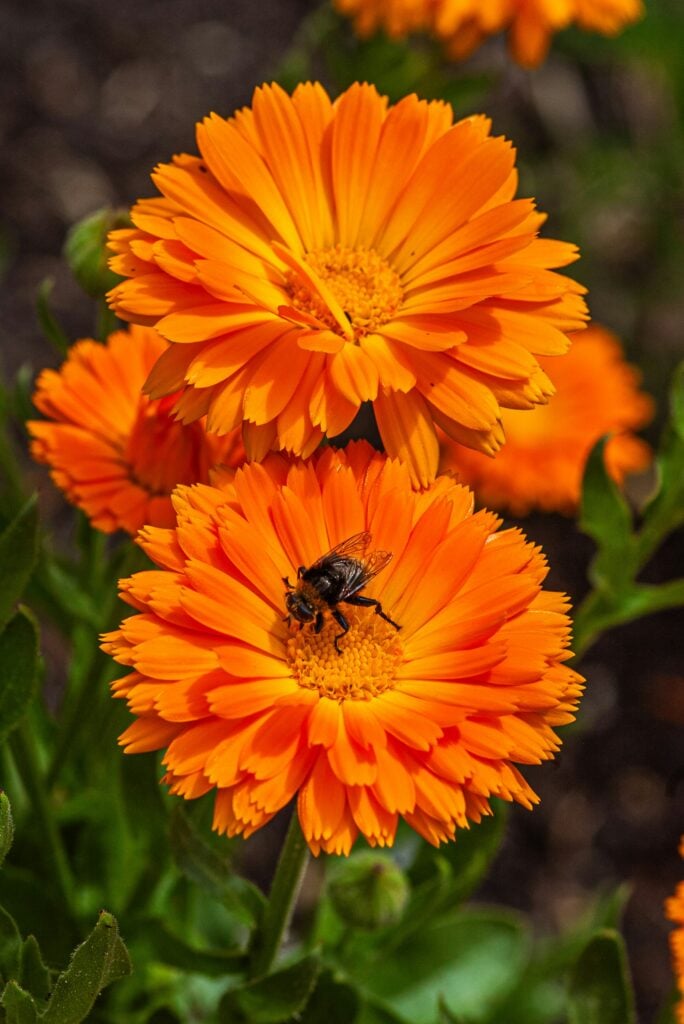
If you stand near a patch of calendula on a warm summer afternoon, you’ll probably hear it before you see it.
The gentle hum of bees moving from bloom to bloom is one of my favorite garden sounds.
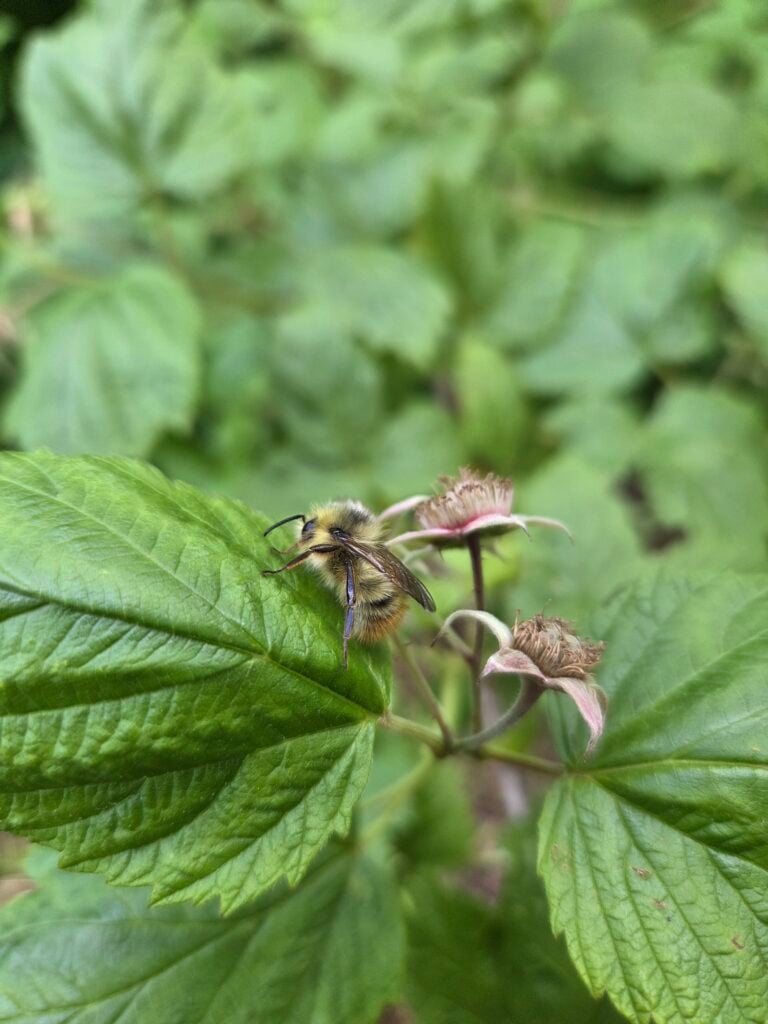
Calendula provides nectar and pollen for a variety of beneficial insects, making it an excellent companion for vegetable gardens and food forests.
Healthy pollinator populations help support larger harvests of fruits, vegetables, and berries.
Harvesting Calendula
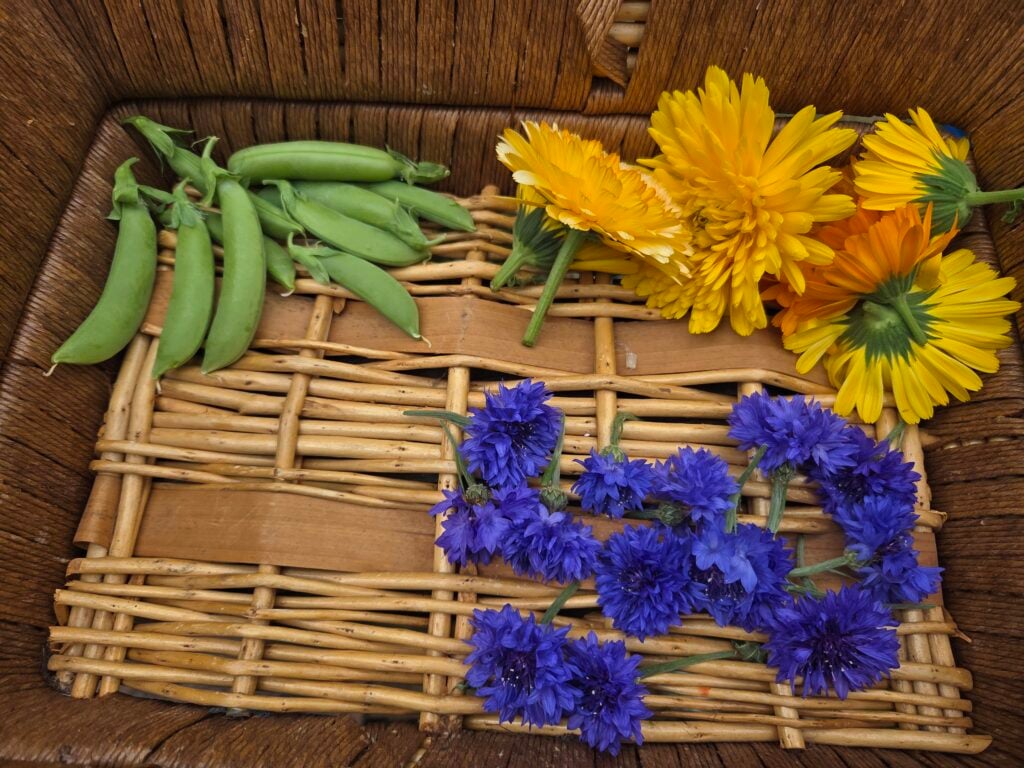
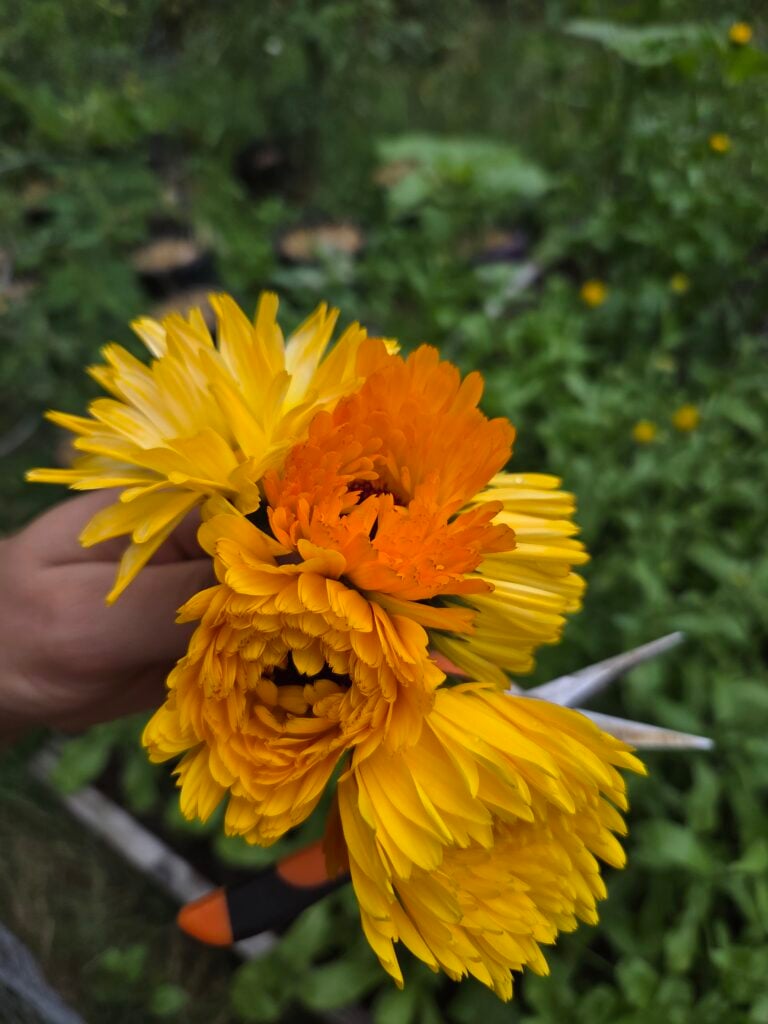
Harvest flowers when they’re fully open and after the morning dew has dried.
Simply pinch or snip the blossoms from the stem.
Spread them in a single layer on a drying rack or screen in a warm, well-ventilated space out of direct sunlight until completely dry.
Properly dried flowers can be stored in an airtight glass jar for many months, ready for future projects.
Traditional Uses of Calendula
For generations, calendula has been one of the most cherished herbs in traditional herbalism, especially in topical preparations.
Many homesteaders enjoy incorporating calendula into homemade products such as:
- Herbal-infused oils
- Salves
- Lip balms
- Body butters
- Lotion bars
- Soap
- Bath salts
- Sugar scrubs
These projects are popular because calendula adds beautiful color and has a long history of traditional use in skin-care preparations.
While many people appreciate calendula in homemade herbal products, it’s important to remember that individual experiences vary, and homemade remedies are not a substitute for professional medical care.
How to Make Calendula-Infused Oil
One of the easiest ways to preserve calendula is by making an infused oil.
You’ll Need:
- Fully dried calendula flowers
- A clean glass jar
- Olive oil, sweet almond oil, or jojoba oil
Directions:
- Fill a clean jar about halfway with dried calendula blossoms.
- Cover the flowers completely with your chosen oil.
- Stir gently to release any trapped air.
- Seal the jar and let it infuse in a warm location for 3–6 weeks, shaking occasionally.
- Strain through cheesecloth and store the finished oil in a clean bottle.
This golden oil becomes the foundation for many homemade skincare recipes.
Did You Know Calendula Is Edible?
Calendula petals are edible and can add cheerful color to everyday meals.
Try sprinkling fresh petals over:
- Garden salads
- Compound butter
- Rice dishes
- Cakes and cupcakes
- Cookies
- Herbal tea blends
Their bright color has even earned calendula the nickname “poor man’s saffron” because the petals have traditionally been used to add color to foods.
More Than Just a Pretty Flower
Calendula reminds me that some of the most useful plants are also the simplest.
It asks for very little.
A little sunshine.
>A little water.
>A little space to grow.
In return, it fills the garden with color, supports pollinators, and provides blossoms that can be enjoyed long after the growing season has ended.
That’s the kind of plant every homestead deserves.
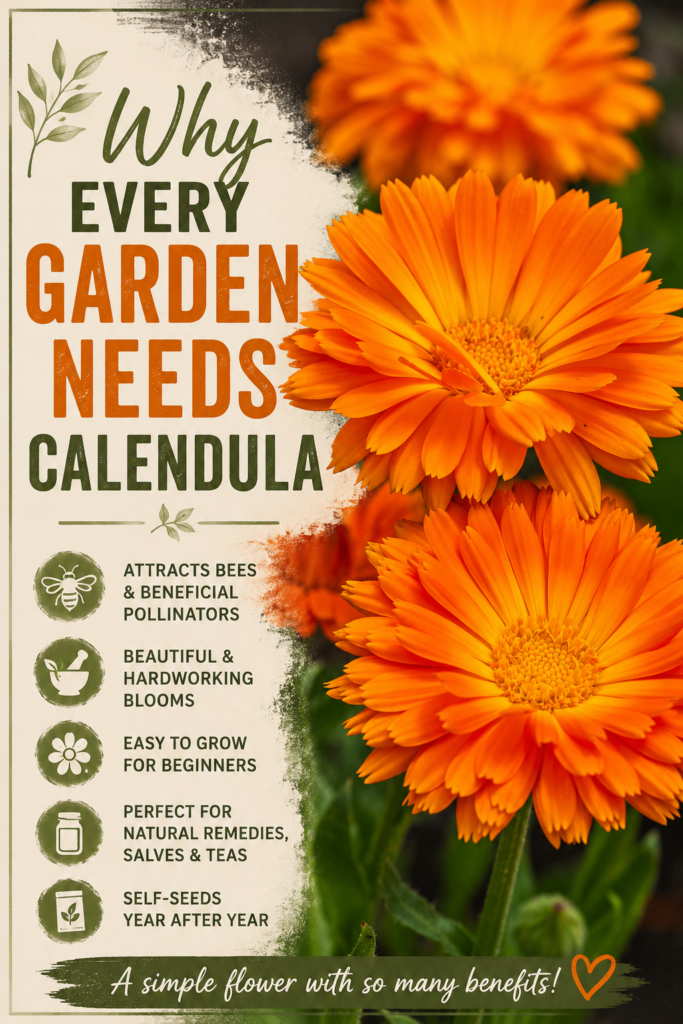
Whether you’re planting your first flower bed or expanding an established homestead, calendula is one of those timeless plants you’ll likely find yourself growing year after year. It’s also a prolific self-seeder!
It’s beautiful enough for the cottage garden, practical enough for the kitchen, and versatile enough for countless homemade projects.
Plant a few seeds this spring.
By summer, you’ll understand why so many gardeners fall in love with this cheerful little flower.