15 Pollinator-Friendly Plants Every Garden Needs
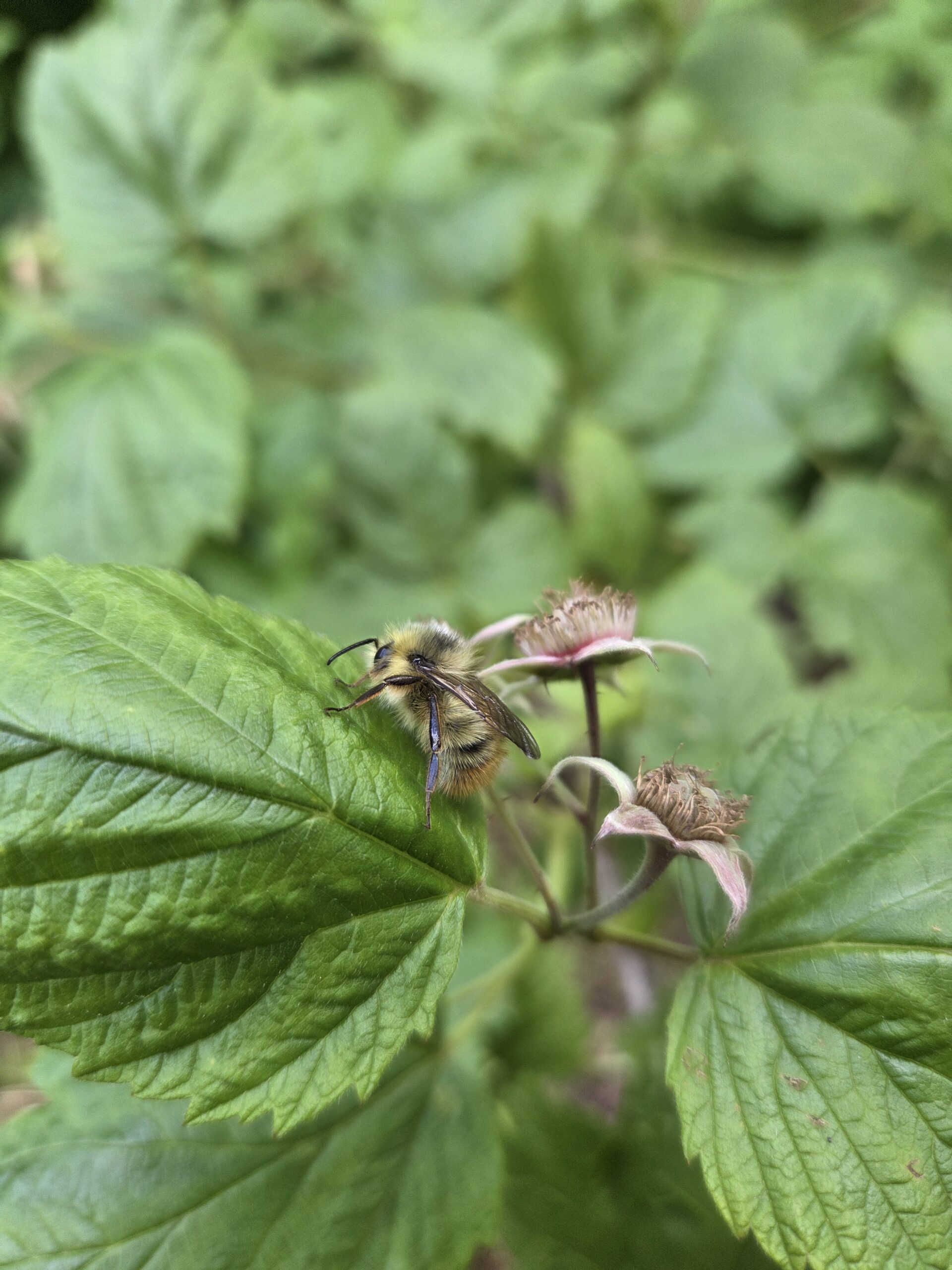
There’s something magical about stepping into a garden that’s alive with the gentle hum of bees, the flutter of butterflies, and visits from hummingbirds.
To me, that’s the sign of a healthy garden.
Pollinators aren’t just beautiful visitors—they’re some of the hardest workers on the homestead. They help pollinate fruits, vegetables, herbs, and flowers, leading to healthier plants and more abundant harvests.
The best part? Attracting them doesn’t require a huge budget or years of gardening experience. A handful of carefully chosen plants can completely transform your garden into a pollinator paradise.
Today I’m sharing my favorite pollinator-friendly plants, along with some of the garden tools and supplies that make growing them even easier.
Why Every Garden Needs Pollinators
Every buzzing bee and fluttering butterfly plays an important role in the garden.
Pollinators help increase harvests of:
- Tomatoes
- Cucumbers
- Berries
- Fruit trees
- Squash
When you invite pollinators into your garden, you’re also encouraging biodiversity and creating a healthier ecosystem.
1. Calendula
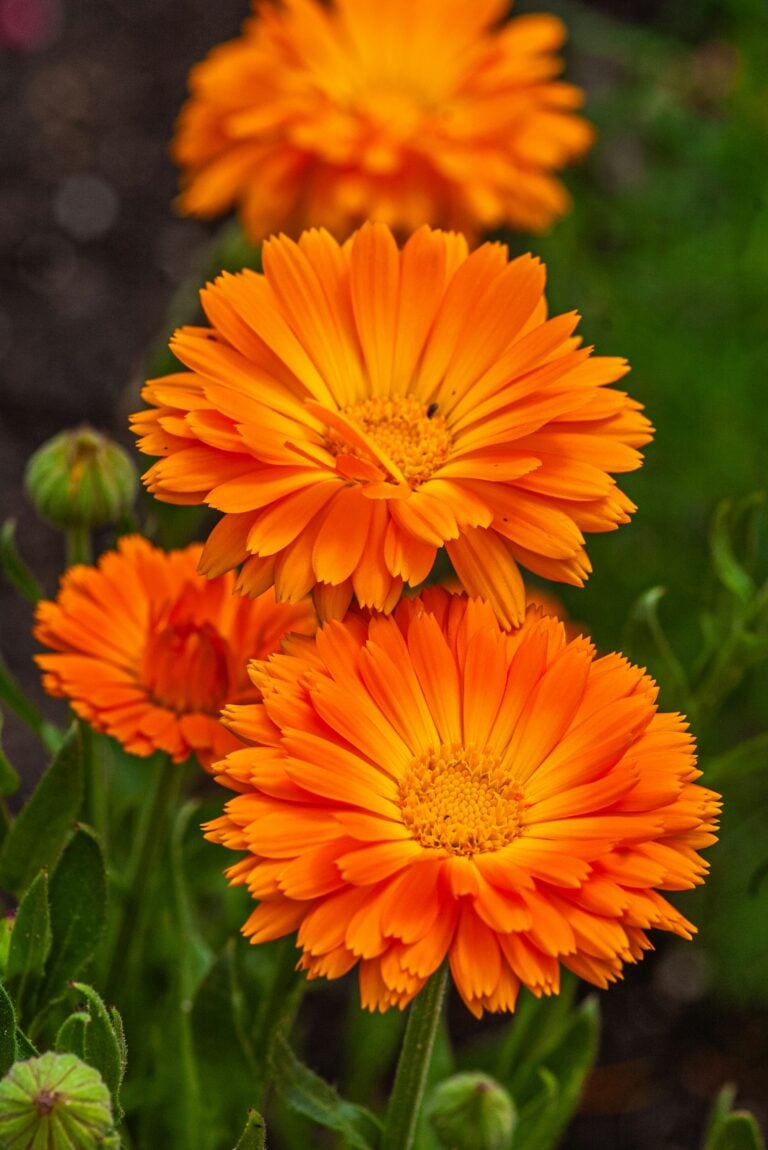
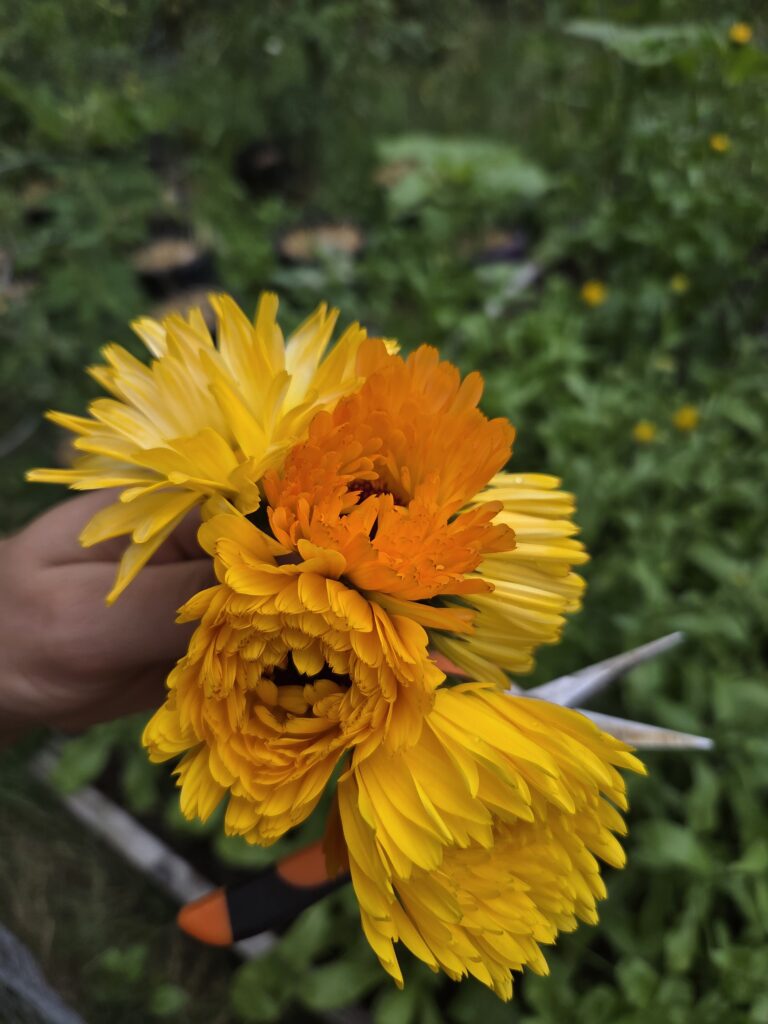
Calendula is one of my absolute favorite flowers.
Not only does it brighten every garden bed with cheerful orange and yellow blooms, but it also attracts bees throughout the growing season.
Even better, calendula can be harvested and dried for homemade herbal oils, salves, soaps, lip balms, and infused skincare.
My Favorite Ways to Grow Calendula
- Grow from seed for an inexpensive start.
- Deadhead often to encourage continuous blooms.
- Plant near vegetables for added color and pollinator activity.
My Favorite Gardening Supplies
- Calendula seeds – one of my fav seed companies!
- Seed starting trays – I’ve been using these for the past 2 years and they seem to work well.
- Organic potting mix
- Garden snips – I’m on the hunt for a better pair, if you’ve got a suggestion I’d love to know it. I just can’t stand the locking mechanism on mine.
- Drying rack for herbs
2. Lavender
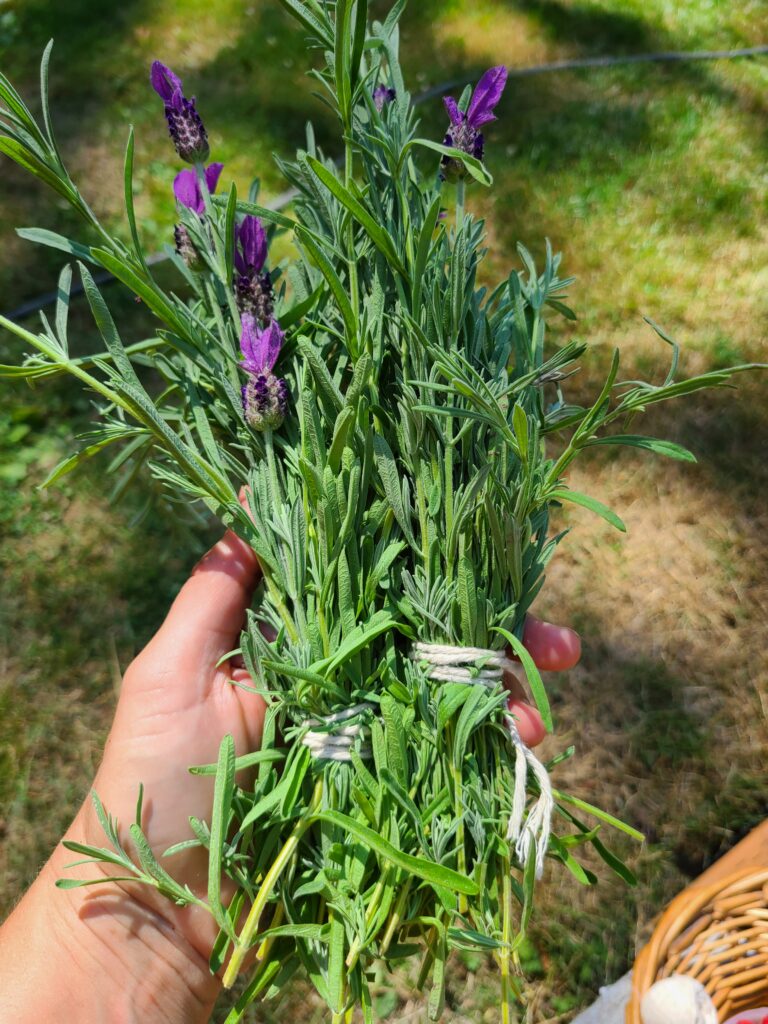
Lavender may be one of the busiest flowers in my garden.
The bees absolutely love it, and I love that I can harvest it for bouquets, sachets, homemade bath salts, and calming tea blends.
It’s beautiful, practical, and smells incredible all summer long.
Garden Favorites
- English lavender seeds
- Drip irrigation kit
- Pruning shears
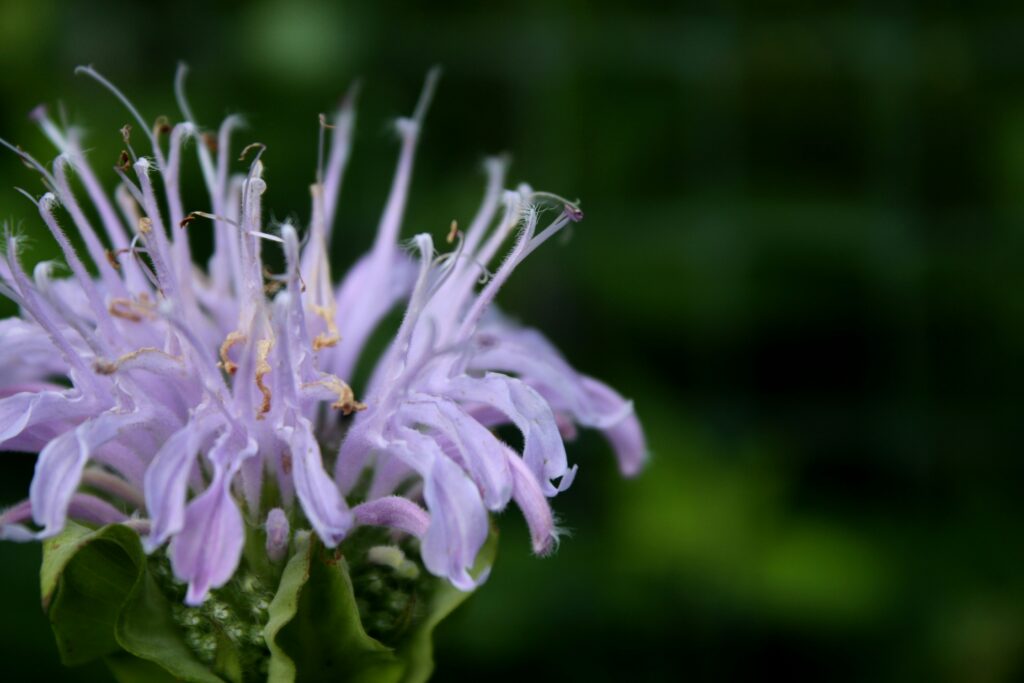
3. Bee Balm
True to its name, bee balm attracts bees, butterflies, and hummingbirds in impressive numbers.
If you’re trying to create a pollinator garden, this is one flower I wouldn’t skip.
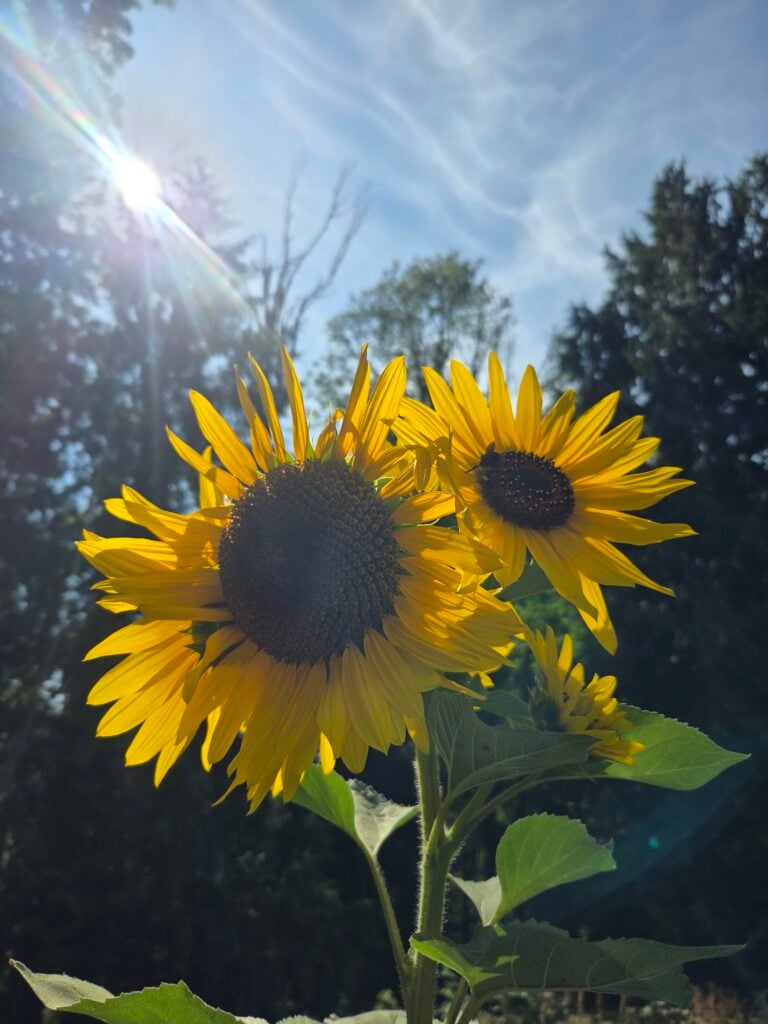
4. Sunflowers
Sunflowers bring joy to every corner of the garden.
Children love them.
Birds love the seeds.
Bees love the blooms.
And they make stunning bouquets.
Garden Favorites
- Giant sunflower seeds – I love the Mammoth sunflowers seeds from Botanical Interest
- Bamboo stakes
- Plant ties
- Garden twine
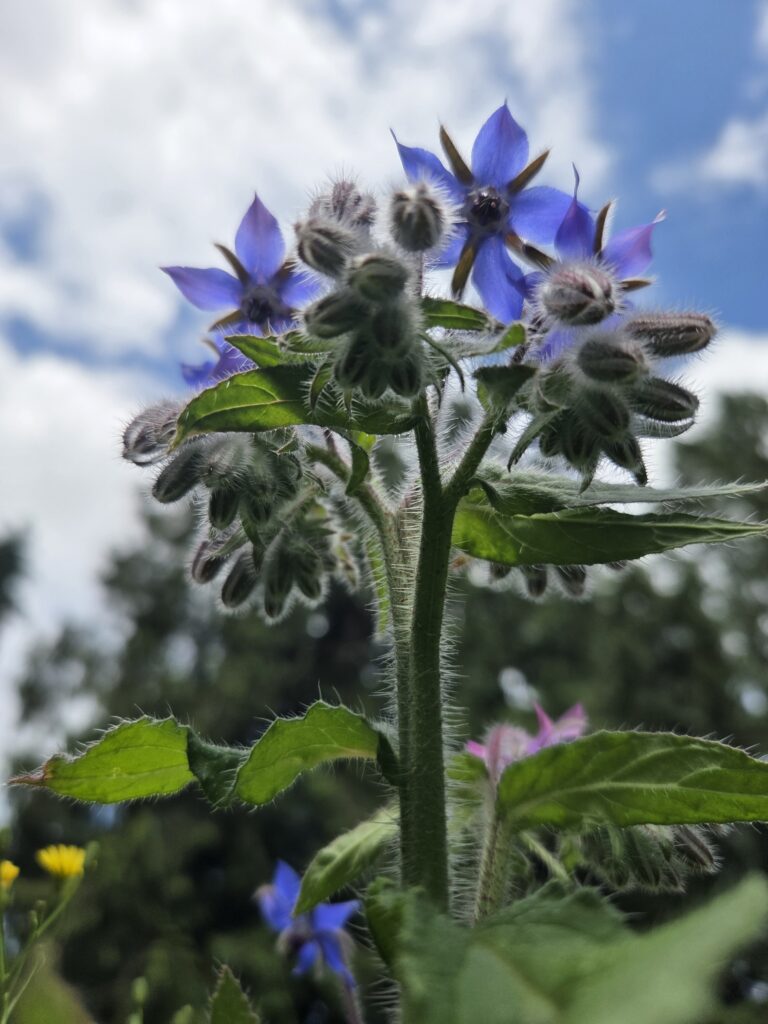
5. Borage
If I could only grow one pollinator flower, borage would be near the top of my list.
Its brilliant blue flowers seem to stay busy from sunrise until sunset.
Bonus? The flowers are edible and look beautiful floating in lemonade or decorating summer salads. Leaves are also edible and taste delicious in a hot cup of tea – hint of cucumber.
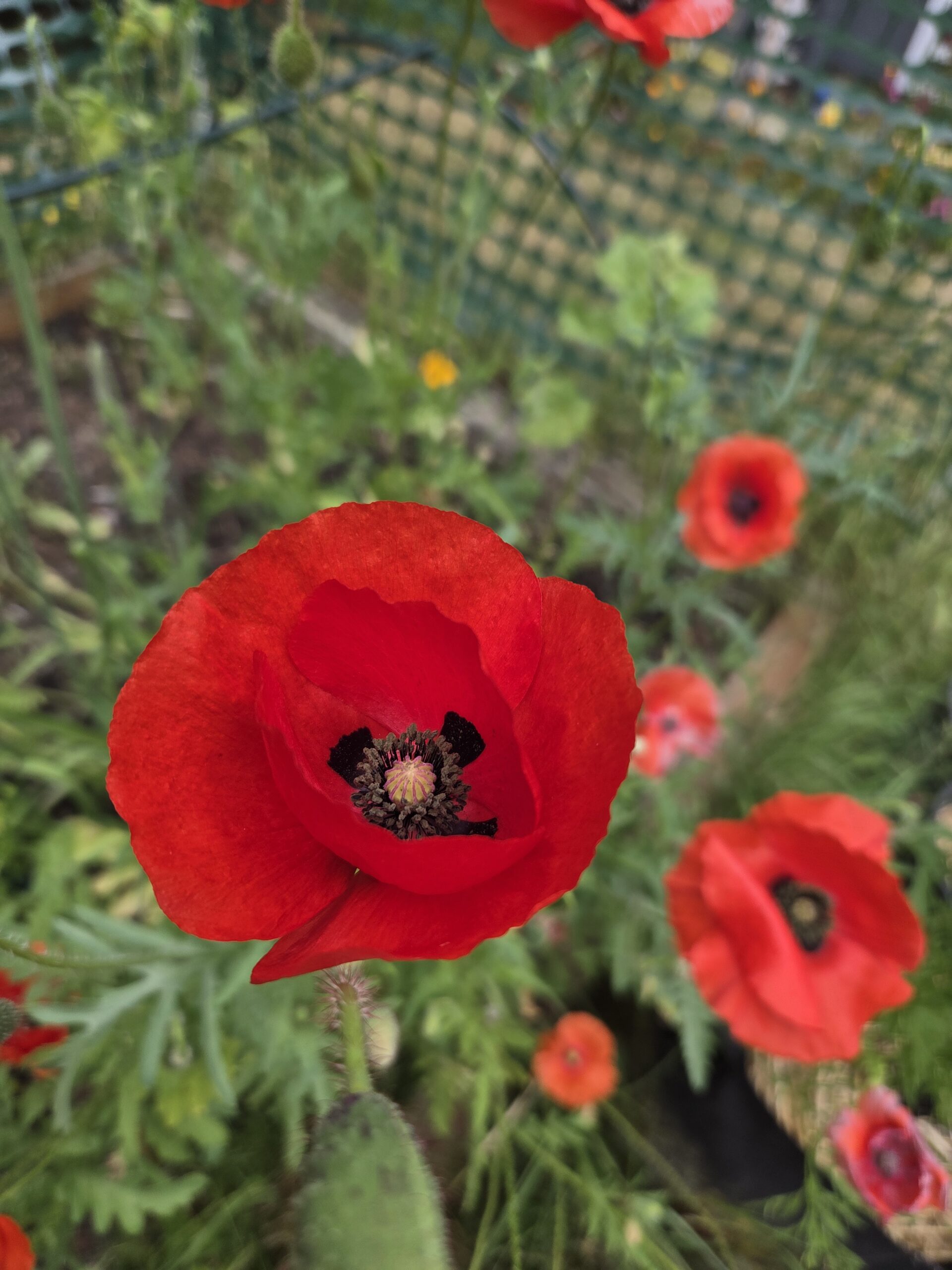
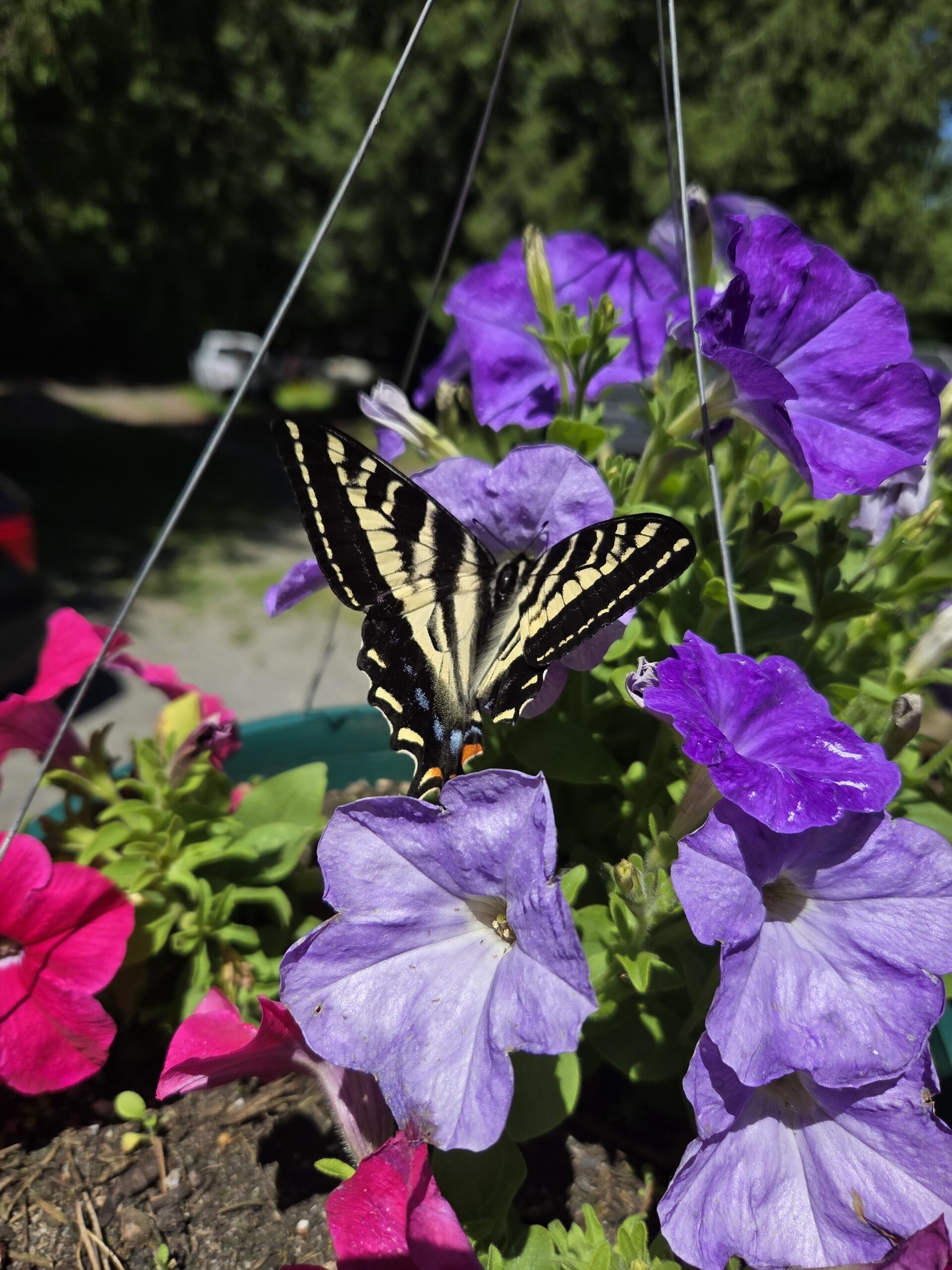
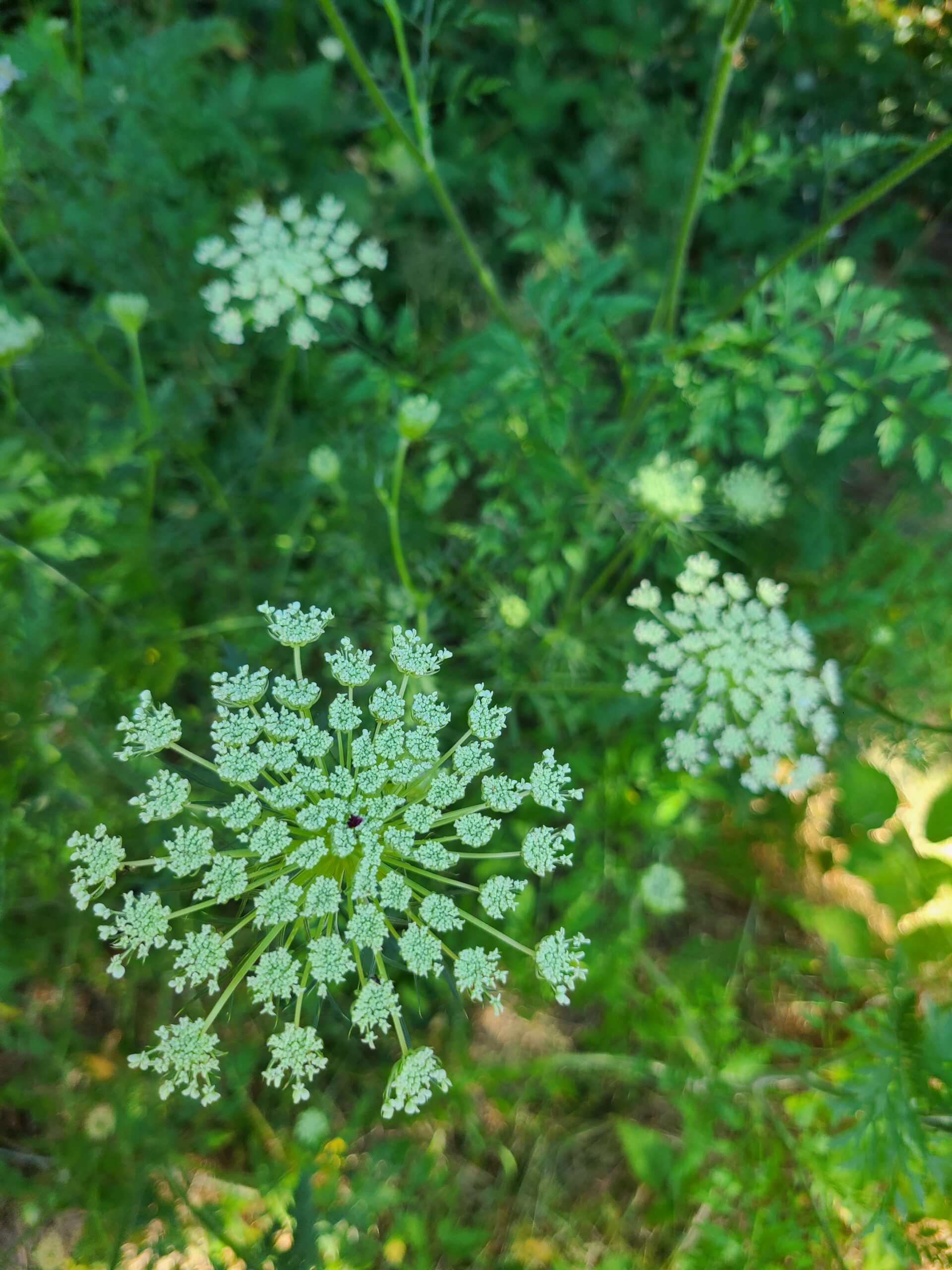
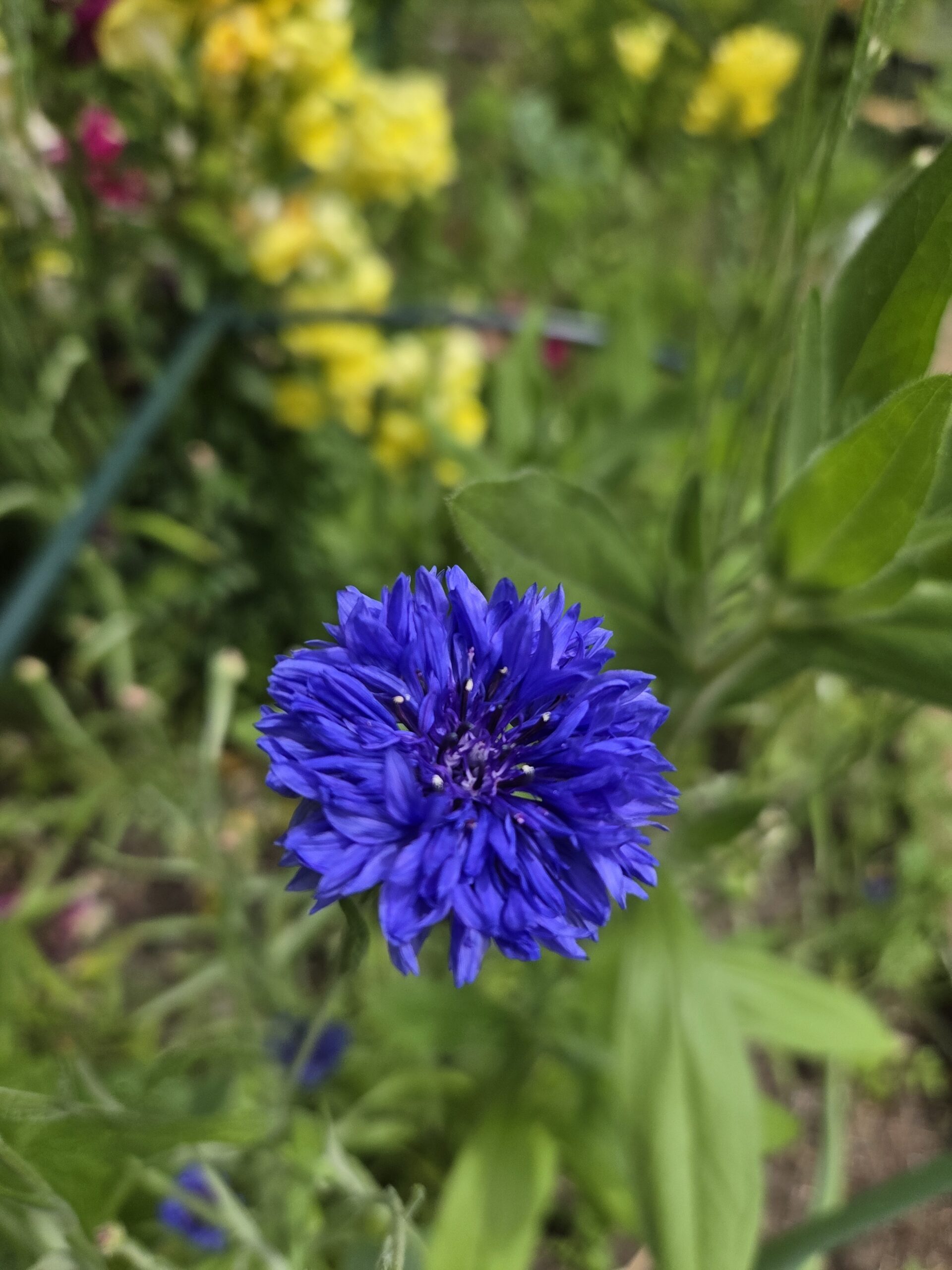
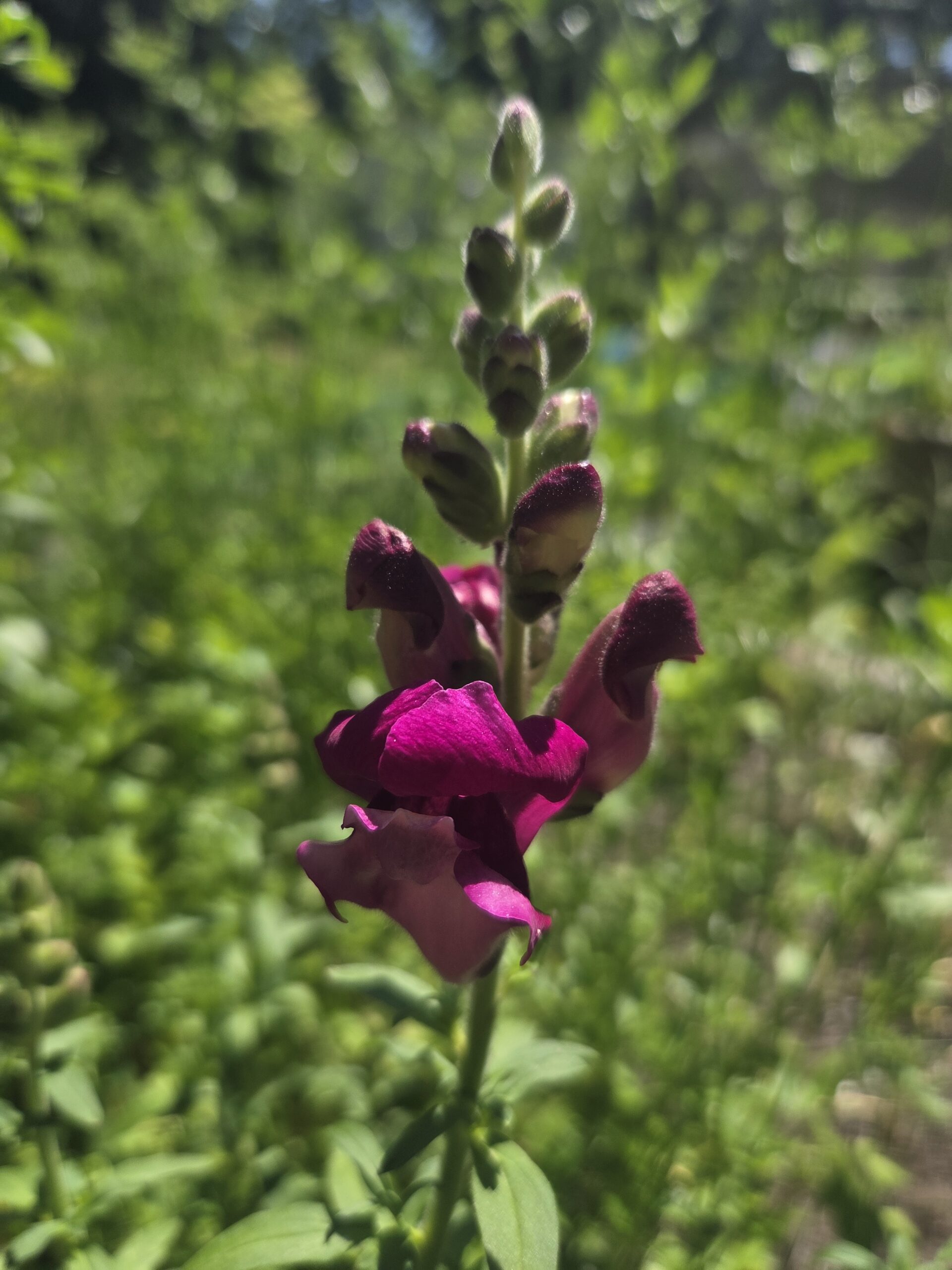
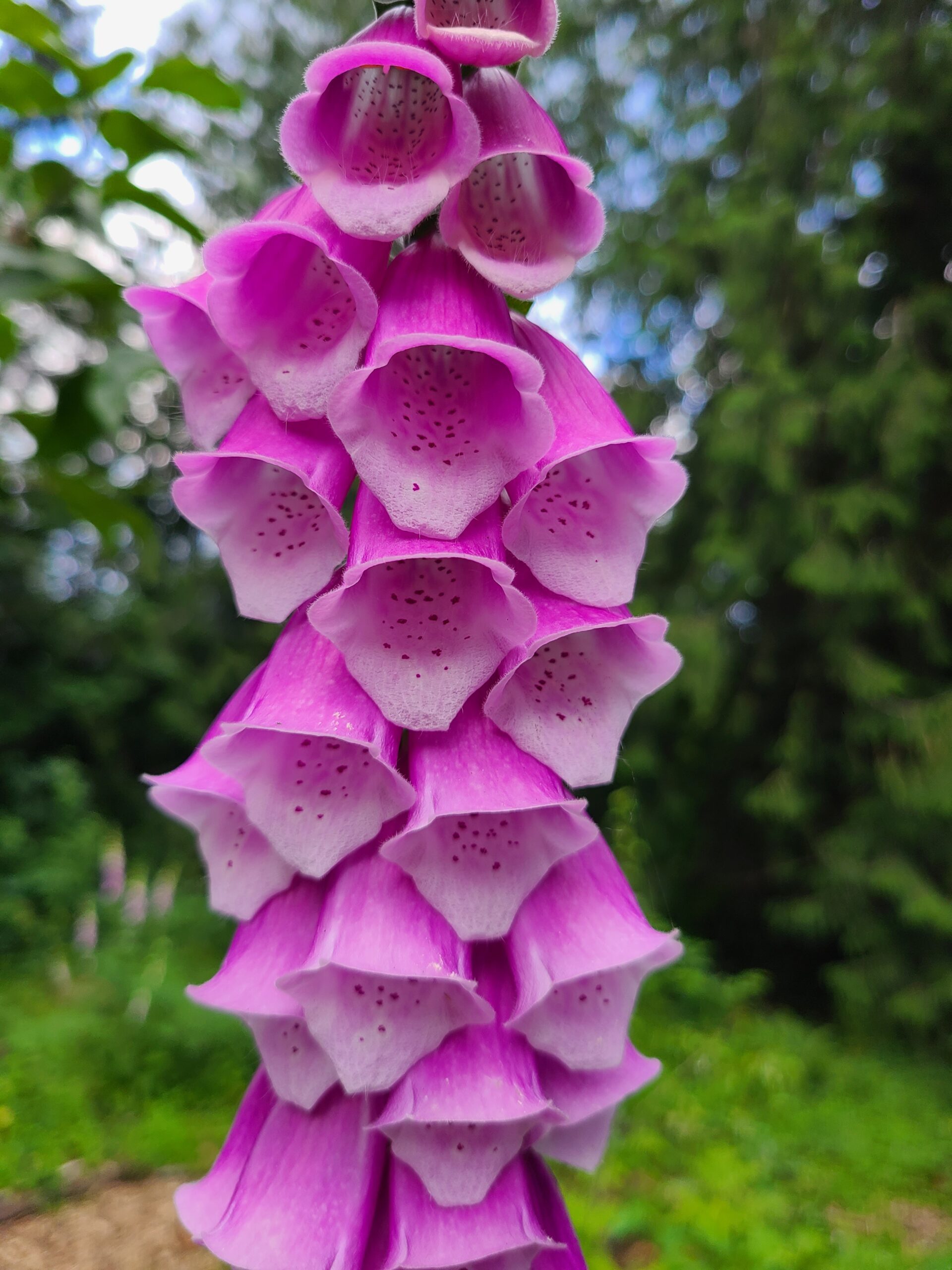
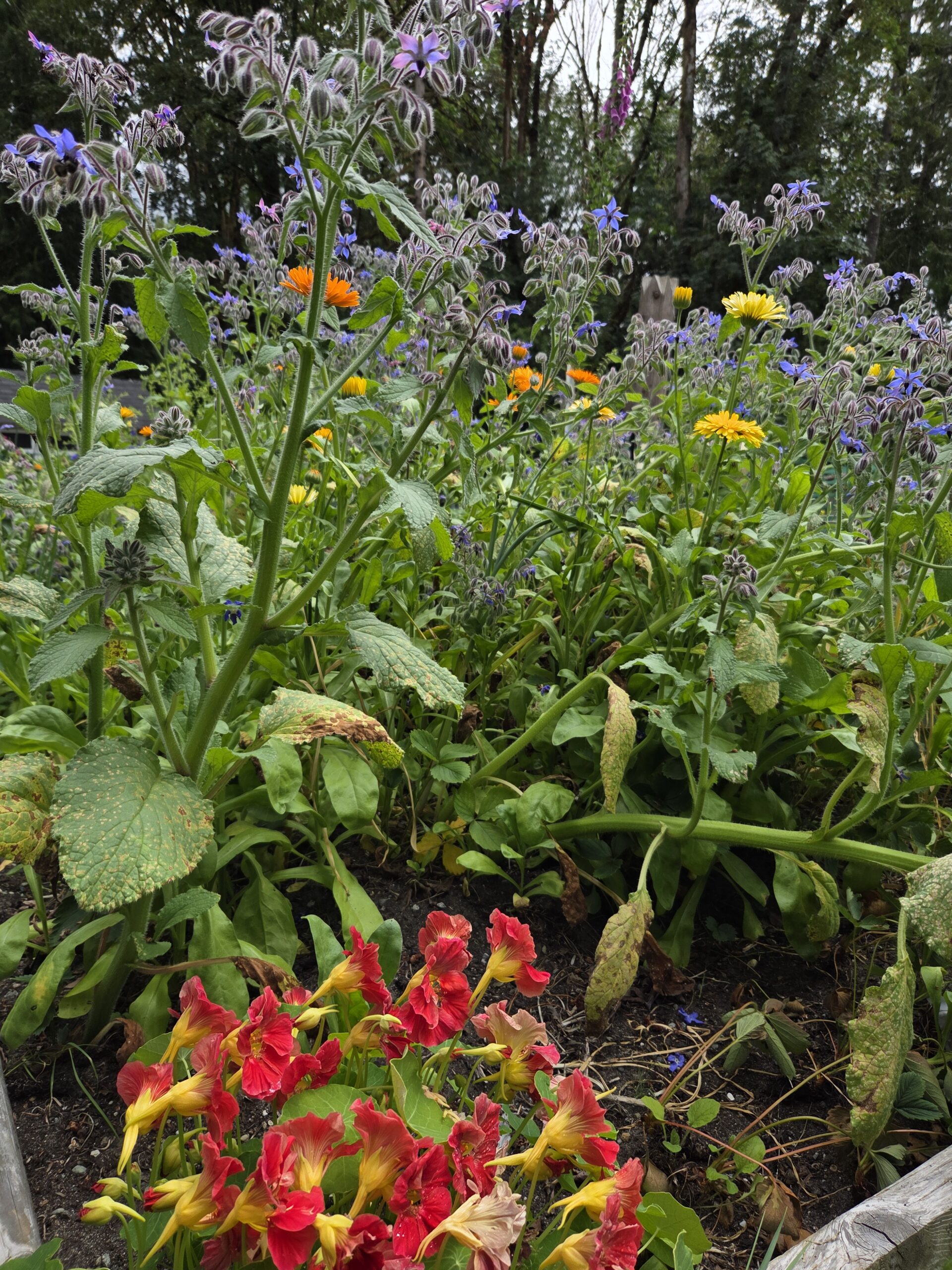
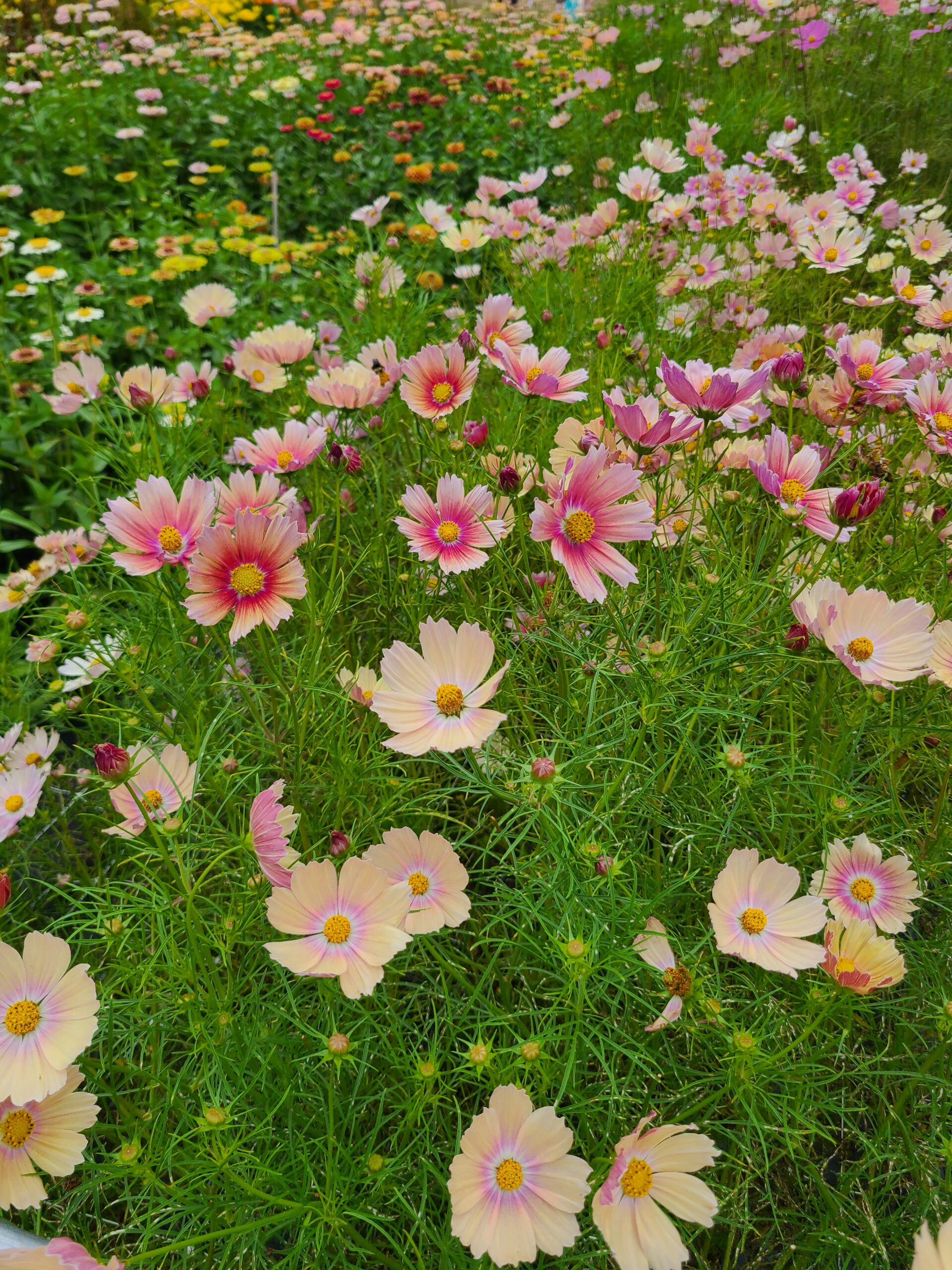
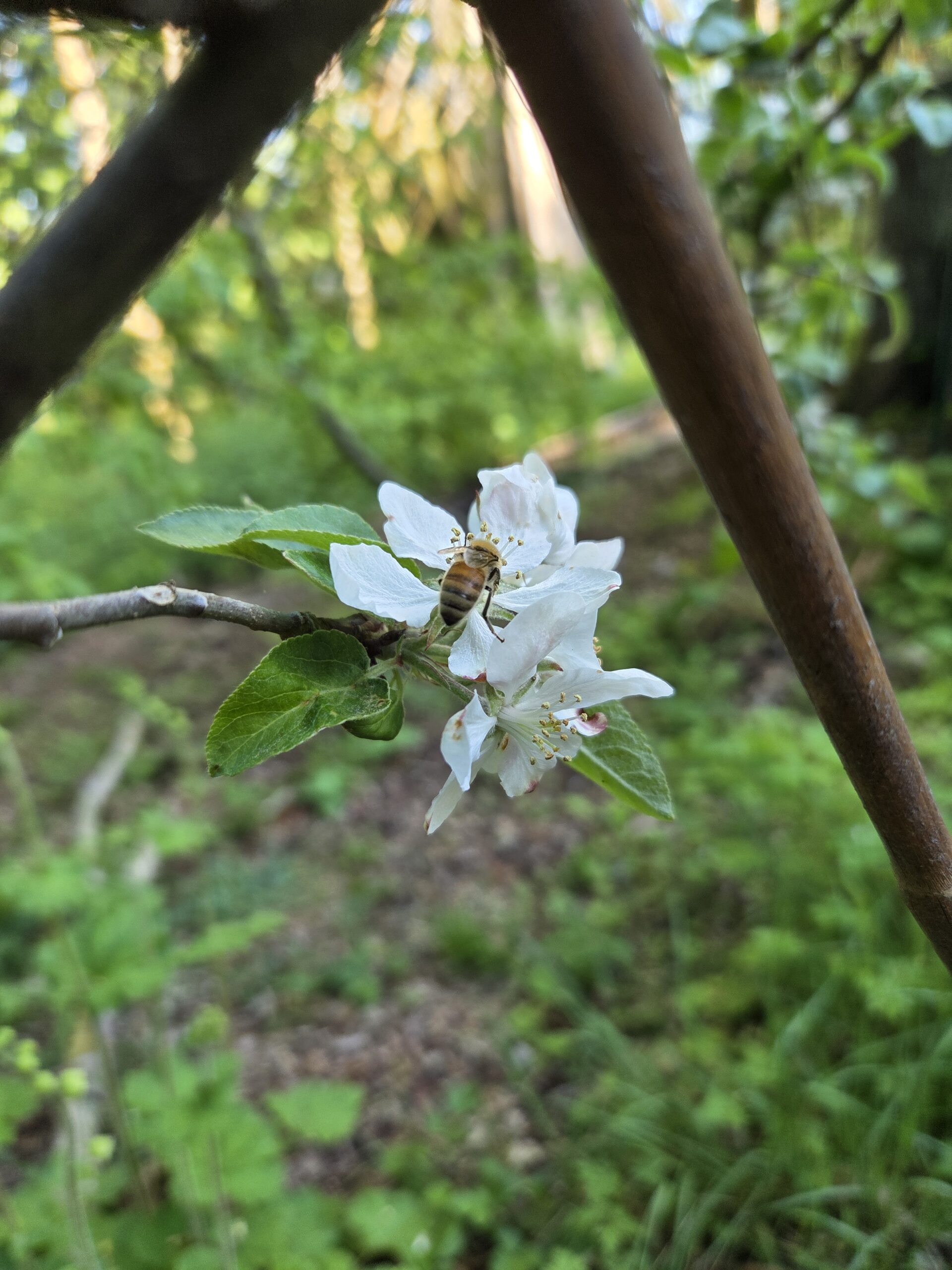
6–15. More Pollinator Favorites
Don’t stop at just one flower!
Add a variety of blooms so something is always flowering throughout the season.
My favorites include:
- Cosmos
- Zinnias
- Coneflowers
- Snapdragons
- Salvia
- California Lilac
- Nasturtiums
- Chives
Create a Pollinator Garden That Blooms All Season
One of the biggest mistakes new gardeners make is planting flowers that all bloom at the same time.
Instead, choose plants with staggered bloom times so bees always have a reliable food source from spring through fall.
Mix annuals with perennials for continuous color and a healthier garden year after year.
My Favorite Pollinator Garden Tools
Over the years I’ve found a few simple tools that make gardening easier.
Here are a few items I reach for again and again:
- Garden kneeler – must have for my knees!
- Seed starting trays
- Organic seed-starting mix
- Garden pruners
- Watering wand
- Gardening gloves – these are my go-tos
- Harvest basket – this one’s great but really any basket or bowl will do, heck I’ve even just used my shirt
- Garden journal – if you don’t already journal your gardening journey, I strongly suggest you start. Track your progress, make notes for yourself for the years to come, reminders for the next year you just may forget, write goals.
My Favorite Books About Pollinator Gardening
If you’re ready to dive deeper into creating a pollinator-friendly landscape, here are a few books I’d recommend.
- Bringing Nature Home: How You Can Sustain Wildlife with Native Plants, Updated and Expanded
- 100 Plants to Feed the Bees: Provide a Healthy Habitat to Help Pollinators Thrive
- Martha Stewart’s Gardening Handbook: The Essential Guide to Designing, Planting, and Growing
- The Complete Gardener: A Practical, Imaginative Guide to Every Aspect of Gardening
Shop My Pollinator Garden
Want to recreate a similar garden?
Here’s what I use every season:
- Flower seed collection
- Wildflower seed mix
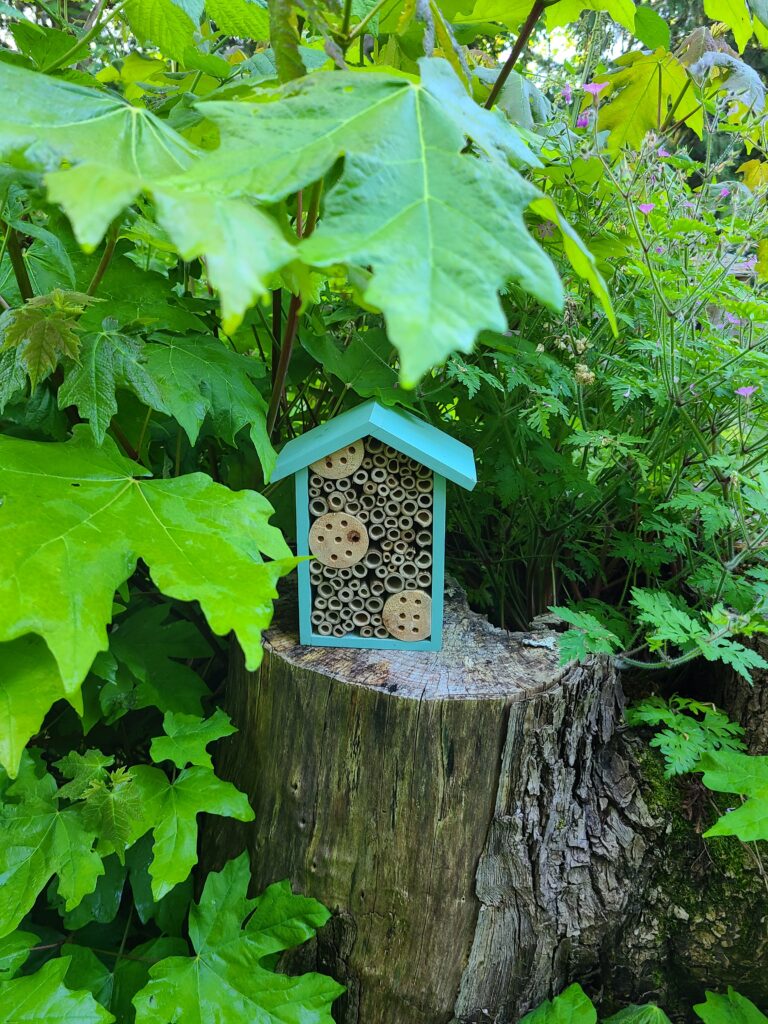
- Bee houses
- Water stations – equally important as having flowers in your garden. any shallow object will work just place rocks in the water so they have some place to stand.
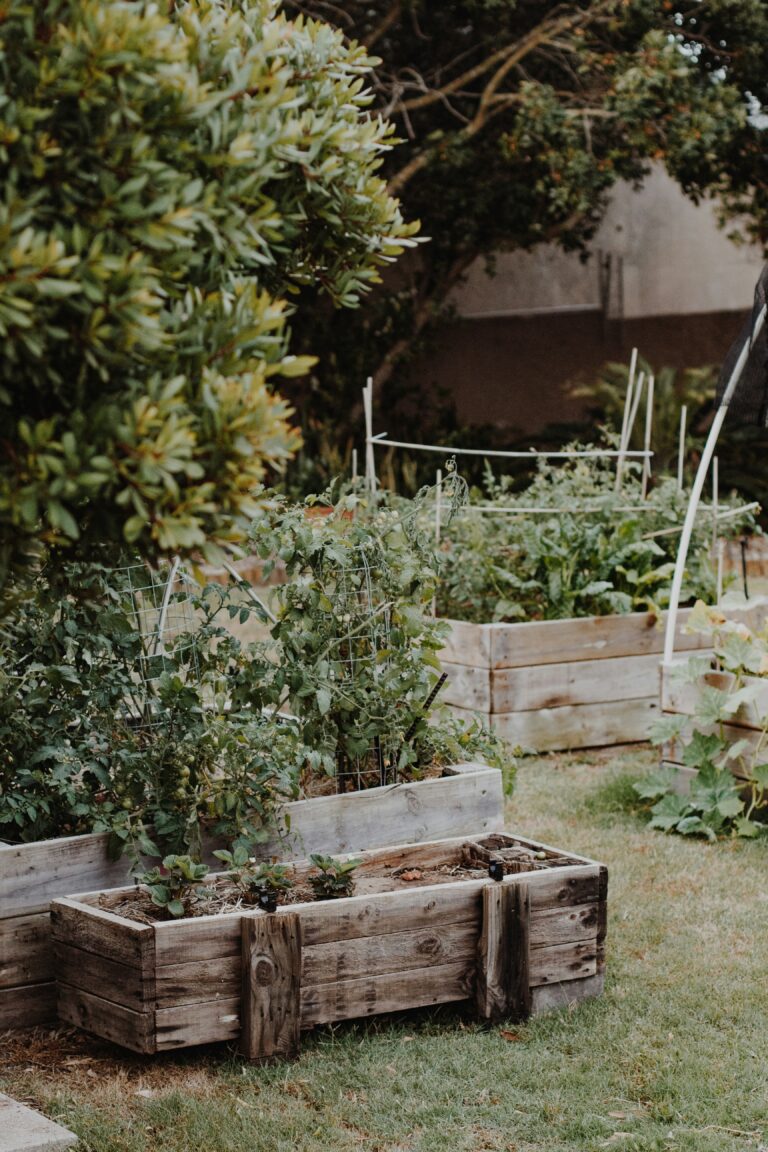
- Raised garden bed – this is a great brand!
- Compost bin
- Seed organizer – must have for storing seeds
One of the greatest gifts we can give our gardens—and the environment—is planting flowers that support pollinators.
Whether you have room for a single pot of lavender or an entire cottage garden filled with blooms, every flower helps.
And I promise, once you spend a quiet summer morning watching bees drift from blossom to blossom, you’ll wonder why you didn’t plant even more.